Sights
Things to do in Kamakura
This page contains affiliate links. Booking through them costs you nothing extra and supports the site. Details.
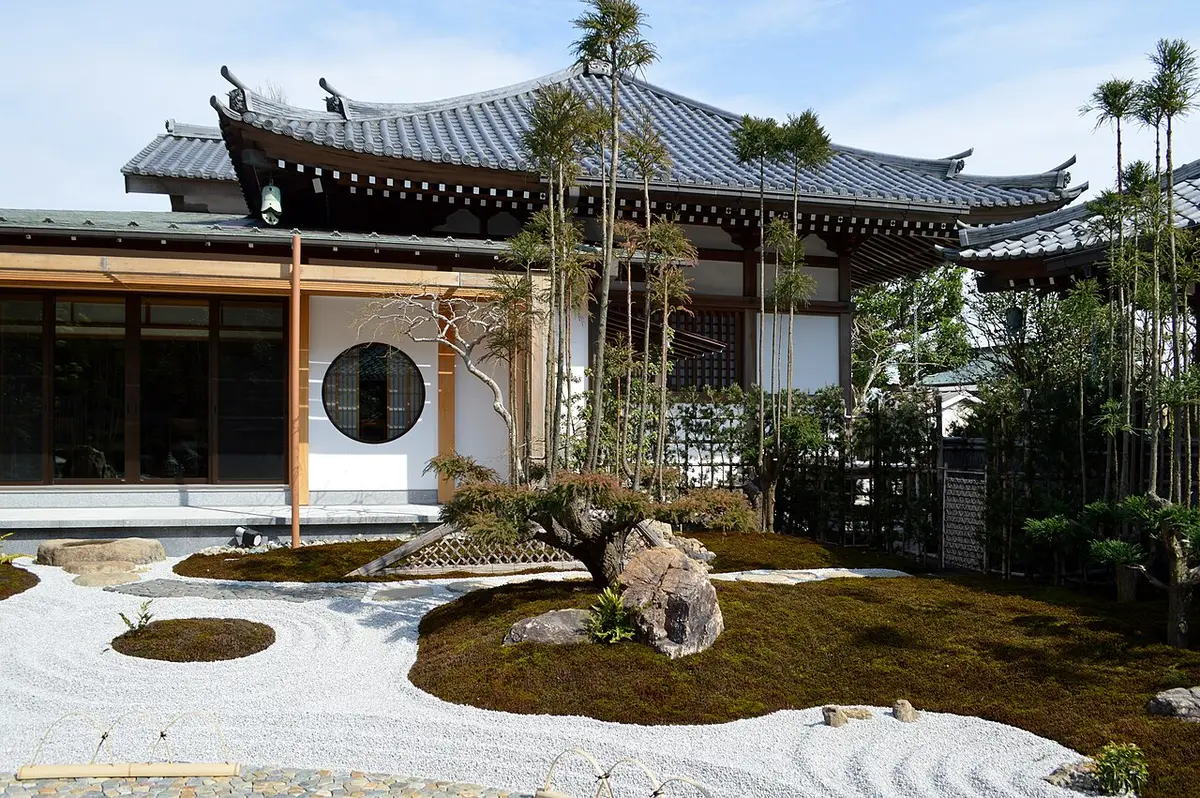
Table of contents
- Around Kamakura Station and Tsurugaoka Hachimangu
- Hase: the Great Buddha and Hasedera
- Kita-Kamakura: the Zen temples
- The east valleys: Hokokuji, Sugimoto-dera, Zuisenji and Kamakura-gu
- Along the Enoden coast
- Enoshima
- Experiences: food, kimono, zazen, tea and trails
- Planning: getting around, when to go and what it costs
Kamakura is a small seaside city about an hour south of Tokyo, its temples and shrines tucked into wooded valleys. The places most people come for sit in four clusters: Kita-Kamakura (the big Zen temples), Kamakura Station and Tsurugaoka Hachimangu, Hase (the Great Buddha and Hasedera), and the Enoden coast toward Enoshima. Below, every place has its own entry with the fee, the opening hours, the walk from the nearest station and the month it looks best. The one decision to make first: start in Kita-Kamakura and walk south, or start in Hase and work north. Either way, be at your first temple when it opens.
Not sure which places fit in one day? Our day planner orders them by opening time, and the Kamakura map shows every place on this page. Walking times are at an easy pace.
Around Kamakura Station and Tsurugaoka Hachimangu
Kamakura Station has two exits. The east exit leads to Komachi-dori, Wakamiya-oji and the shrine; the quieter west exit leads to Zeniarai Benzaiten, Sasuke Inari and the small temples of Ogigayatsu.
Tsurugaoka Hachimangu
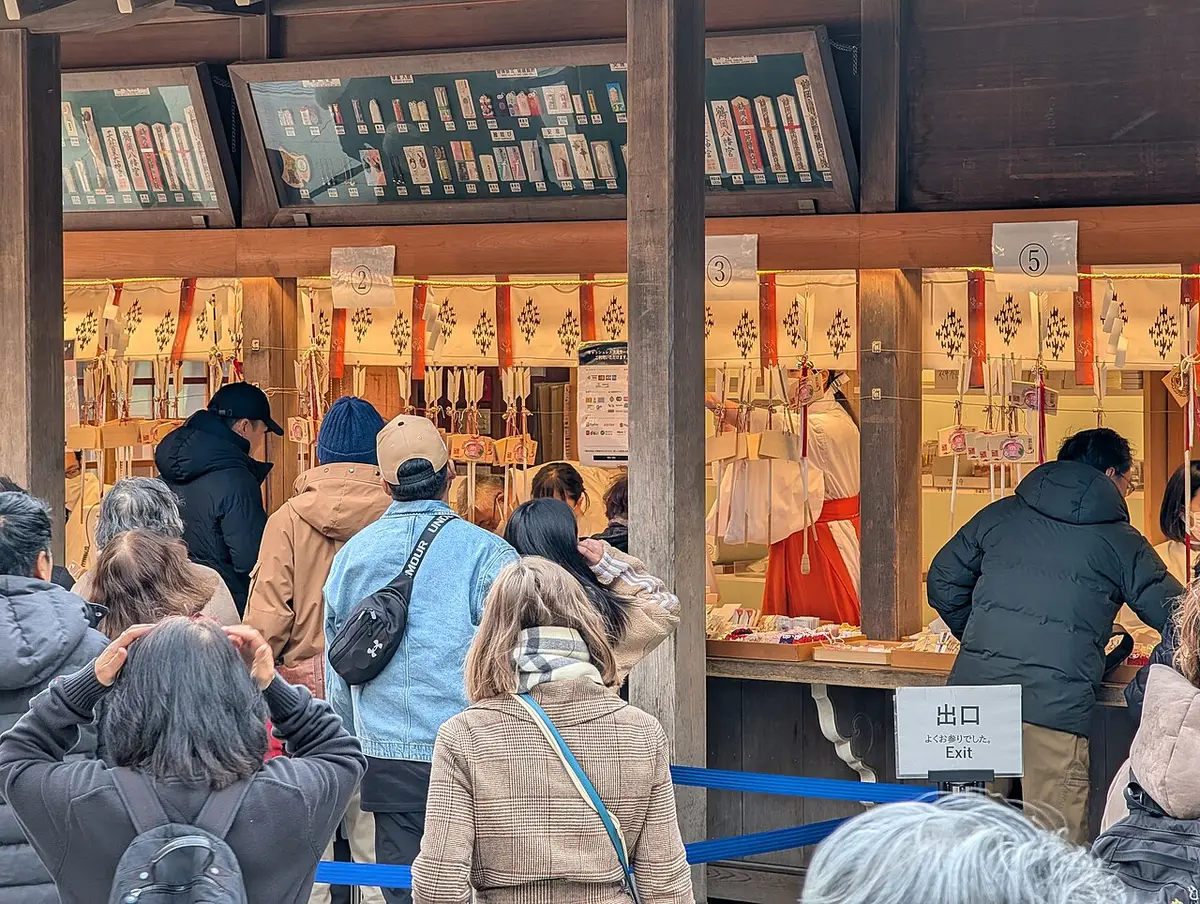
Minamoto no Yoritomo moved this shrine to its present site in 1180 and laid out the city around it, so everything in central Kamakura points here. The grounds are free and open from 6:00 to 20:00. You climb the Great Stone Steps to the main shrine for a view down Wakamiya-oji, pass the Genji and Heike ponds, and can pay for the treasure hall (¥200) or the peony garden (¥500, in January to February and spring). Come back for the festivals: yabusame mounted archery on 16 September, and the Bonbori festival in early August, when about 400 painted paper lanterns light the approach. The shrine guide covers the layout and the full festival list. A short Hachimangu and Komachi-dori guided walk (1.5 hours, meets at the station’s east gate) covers the history if you want a guide.
Fee free (treasure hall ¥200)Hours 6:00-20:00From Kamakura Stn 10 min walkBest early April, JanuaryMapOfficial site
Wakamiya-oji and the Dankazura
Wakamiya-oji is the straight avenue Yoritomo built from the shrine down to the sea. Between the second and third torii it rises into the Dankazura, a raised walkway between two lines of cherry trees. It is free, always open, and the best way to arrive at the shrine: walk up the Dankazura rather than along Komachi-dori. In late March and early April the cherries make it the most photographed path in the city, and on 15 September the shrine’s portable shrines are carried down it to the second torii. Check the cherry blossom page for the bloom window.
Fee freeHours always openFrom Kamakura Stn 3 min walkBest late March to early AprilMap
Komachi-dori
Komachi-dori runs parallel to Wakamiya-oji from the east exit to the shrine, a lane of snack stalls, sweet shops, souvenir stores and cafes. It is where you try shirasu (tiny whitebait) and grilled rice crackers, and where the crowds are thickest from late morning to mid-afternoon. Walk it early, before the shops fill, or late in the afternoon on your way back to the train. A samurai history and food tasting walk (3 hours) includes shirasu, senbei and the shrine. Our Kamakura food guide lists what to eat.
Fee freeHours shops mostly daytimeFrom Kamakura Stn 2 min walkBest weekday morningMap
Kamakura Kokuhokan (National Treasure Museum)
Inside the shrine grounds, about two minutes from the main approach, the city’s museum holds Buddhist statues and treasures lent by Kamakura’s temples for safekeeping. It is the one place to see many of the Kamakura-period sculptures up close, and it is indoors, which makes it a good rain plan. Entry for regular shows is ¥400; special exhibitions cost more (the “Zuisenji 700 years” show runs until 6 December 2026). The museum is closed on Mondays.
Fee from ¥400Hours 9:00-16:30, last entry 16:00Closed MondaysFrom Kamakura Stn about 13 min on footMapOfficial site
Zeniarai Benzaiten
A short tunnel through the rock leads into a hollow with a spring in a cave. Legend says the harvest deity showed Yoritomo this spring in a dream; today people wash their coins and notes here, hoping the money will multiply. Entry is by donation; the grounds are open 8:00 to 16:30 (enter by 16:00). It is a 25-minute uphill walk from the west exit, or a stop on the Daibutsu hiking trail, so it pairs well with Sasuke Inari on the way to the Great Buddha. Go before 10:00 to avoid the queues at the spring.
Fee donationHours 8:00-16:30From Kamakura Stn (west) 25 min walkBest any month, earlyMapOfficial site
Sasuke Inari Shrine
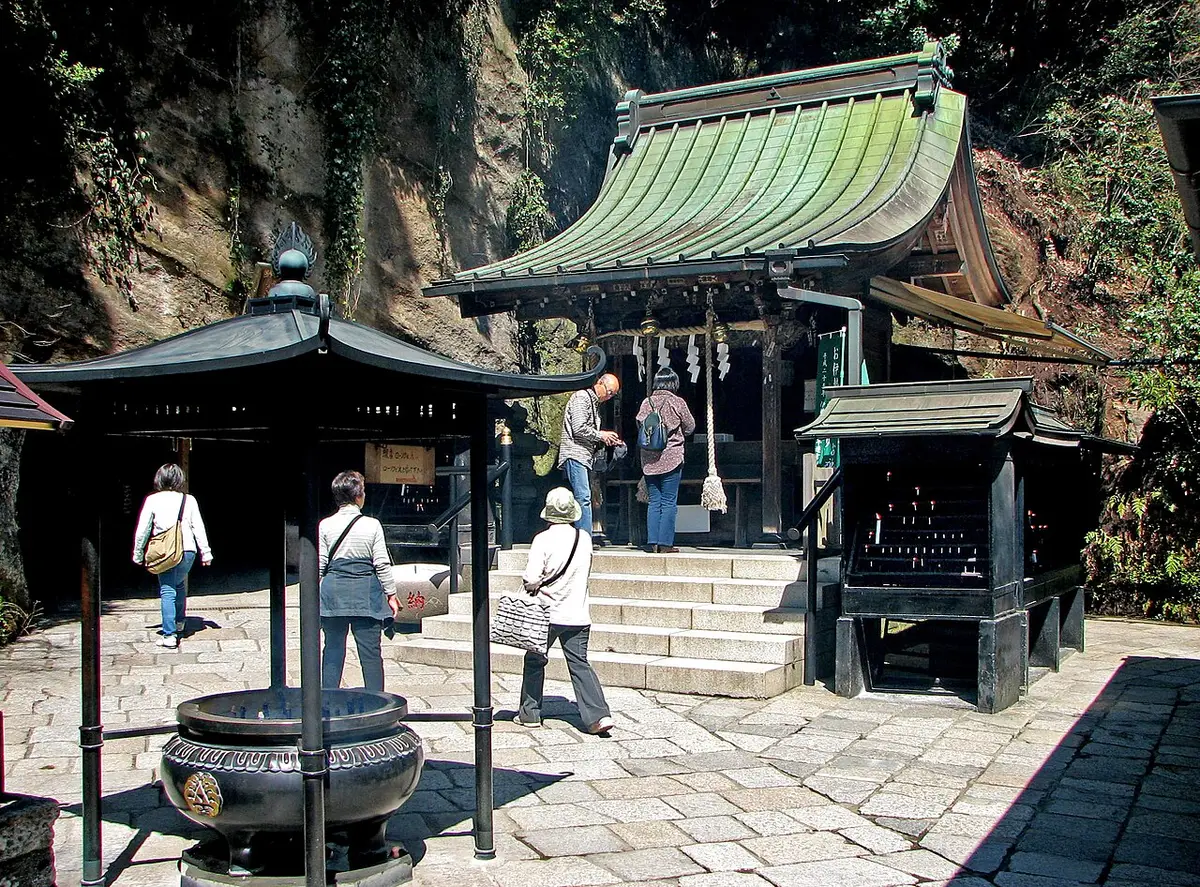
A tunnel of red torii and banners climbs a wooded slope to a small shrine. Shrine lore says an Inari spirit from this valley urged Yoritomo to raise his army. There is no admission desk, and the shrine sees far fewer visitors than Zeniarai Benzaiten, about six minutes’ walk away. It is 20 minutes on foot from the west exit. The steps are uneven and the slope stays damp after rain, so wear shoes with grip.
Fee freeHours not publishedFrom Kamakura Stn (west) 20 min walkBest November leavesMap
Kaizoji
At the end of the Ogigayatsu valley, Kaizoji is a small Zen temple known for flowers in every season and for the “bottomless well” at its gate. Entry is ¥100 and the grounds open 9:30 to 16:00. It is a 20-minute walk from the west exit and works as the first stop on the quieter route the tourism association suggests: Eishoji, Kaizoji, the Kewaizaka pass, Zeniarai Benzaiten and Sasuke Inari, then back to the station. Bush clover in early autumn and plum in late winter are the highlights.
Fee ¥100Hours 9:30-16:00From Kamakura Stn (west) 20 min walkBest September, FebruaryMapOfficial site
Eishoji
Kamakura’s only convent was founded by Lady Okachi, a consort of Tokugawa Ieyasu, on land once owned by her ancestor Ota Dokan. The carved gate, Buddha hall and bell tower are quiet even when Komachi-dori is packed. Entry is ¥300 for adults, open 9:00 to 16:00, and closed on Thursdays. It is a 15-minute walk from the west exit on the way to Kaizoji.
Fee ¥300Hours 9:00-16:00Closed ThursdaysFrom Kamakura Stn (west) 15 min walkMapOfficial site
Hase: the Great Buddha and Hasedera
Hase is four minutes from Kamakura on the Enoden (¥200). Both big sights open at 8:00, and arriving then is the single best way to see them without crowds.
Kotoku-in (the Great Buddha)
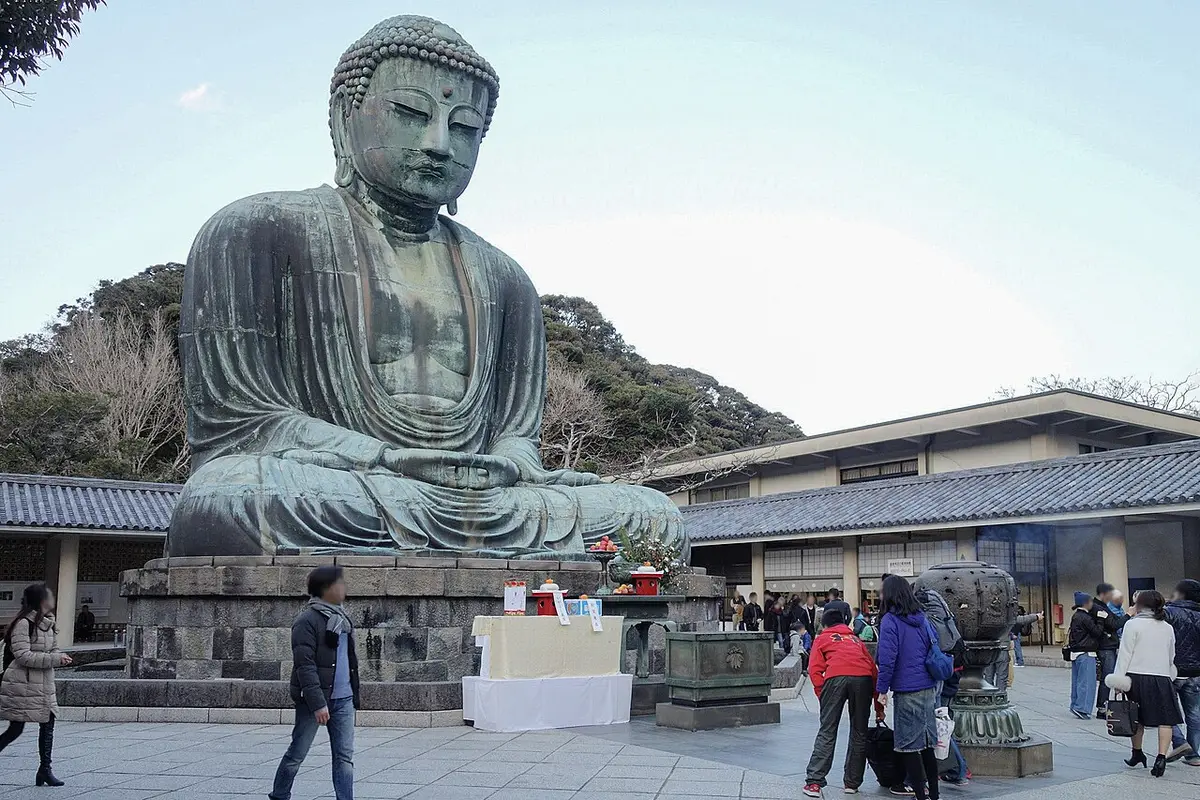
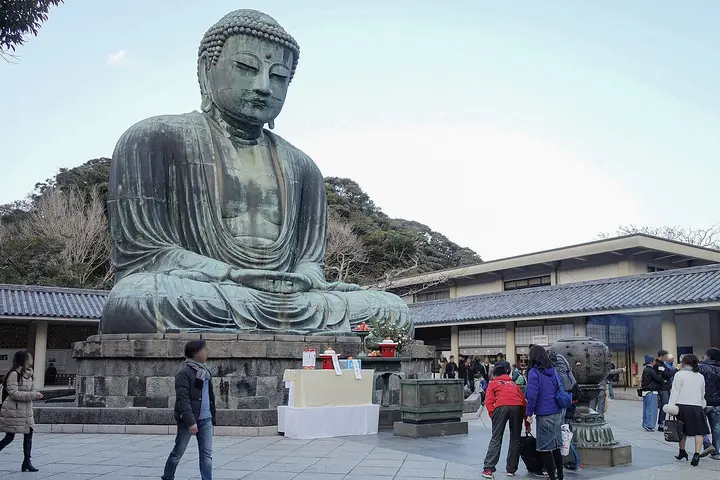
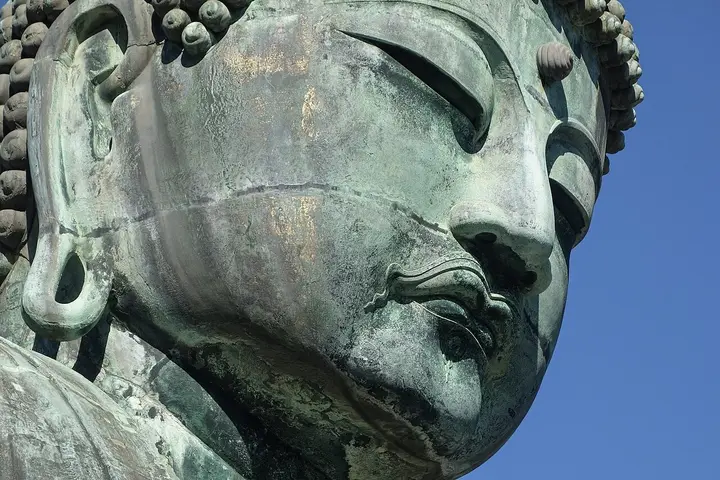
The bronze Amida Buddha sits in the open air, which is unusual among Japan’s large Buddha statues; casting began around 1252 and the statue alone stands 11.3 m tall. Entry is ¥300 for adults and ¥150 for children, plus ¥50 to step inside the hollow statue (8:00 to 16:30). The grounds open 8:00 to 17:30 from April to September and 8:00 to 17:00 from October to March. Eating and drinking are not allowed inside. Our Great Buddha guide has the details, and the City of Samurai walking tour (3.5 hours) covers the Buddha and the shrine with a guide.
Fee ¥300 (inside the statue +¥50)Hours 8:00-17:30 Apr-Sep, 8:00-17:00 Oct-MarFrom Hase Stn 7 min walkBest any month at 8:00MapOfficial site
Hasedera
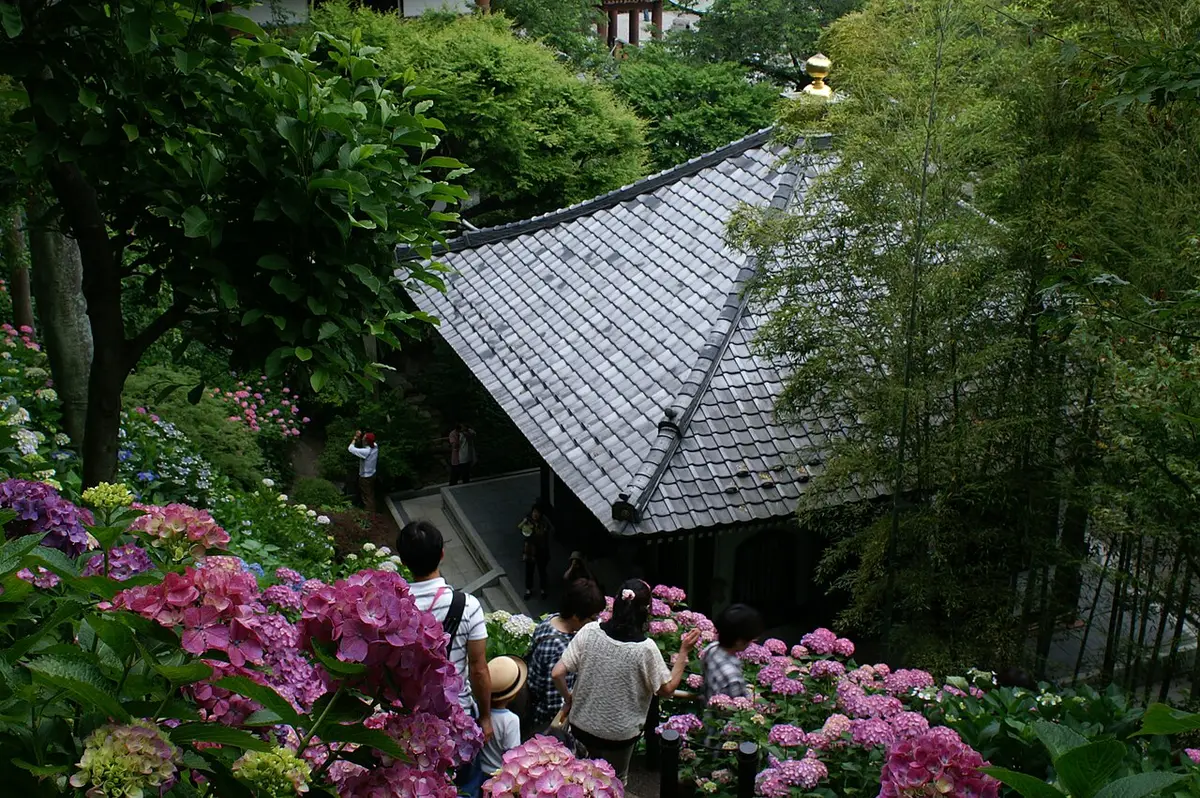
Hasedera climbs a hillside above Hase: a garden with ponds at the bottom, then halls, a small cave shrine, and a terrace with a view over Yuigahama and the sea. The main image is a tall eleven-headed Kannon. Entry is ¥400; the temple opens at 8:00 and closes at 17:00 from July to March and 17:30 from April to June (last entry 30 minutes earlier). In June the hydrangea path needs a separate timed ticket booked online, and in late autumn the temple opens after dark for maple viewing (21 November to 6 December in 2026). See our Hasedera guide and hydrangea page. The Kamakura early-bird morning tour from Tokyo reaches Hase before the day-trip crowd.
Fee ¥400Hours 8:00-17:00 (Apr-Jun to 17:30)From Hase Stn 5 min walkBest June, late NovemberMapOfficial site
The bloom boxes on this page show Japan Meteorological Agency observations at the Yokohama weather station, not dates measured in Kamakura. Kamakura’s tourism association says Western hydrangeas there peak from early to late June. Our bloom and crowd calendar has every flower.
Kosokuji
A short detour from Hasedera, Kosokuji is the Nichiren temple where Nichiren is said to have presented his treatise Rissho Ankoku-ron to the shogunate in 1260. Its small garden has flowers through the year, with crabapple blossom in spring. Entry is ¥100 for adults and free for children, open 8:00 to 17:00, six minutes from Hase Station. It is rarely crowded, even when Hasedera’s gate has a queue.
Fee ¥100Hours 8:00-17:00From Hase Stn 6 min walkBest AprilMapOfficial site
Kita-Kamakura: the Zen temples
Kita-Kamakura is one stop before Kamakura on the JR Yokosuka Line (3 minutes, ¥155). Five temples sit along one road between the station and Tsurugaoka Hachimangu. Our Kita-Kamakura guide gives the walking order and zazen times; the Kita-Kamakura Zen temples walk (3 hours, meets at the station’s east exit) visits Engakuji, Meigetsu-in, Jochiji and Kenchoji with a guide.
Engakuji
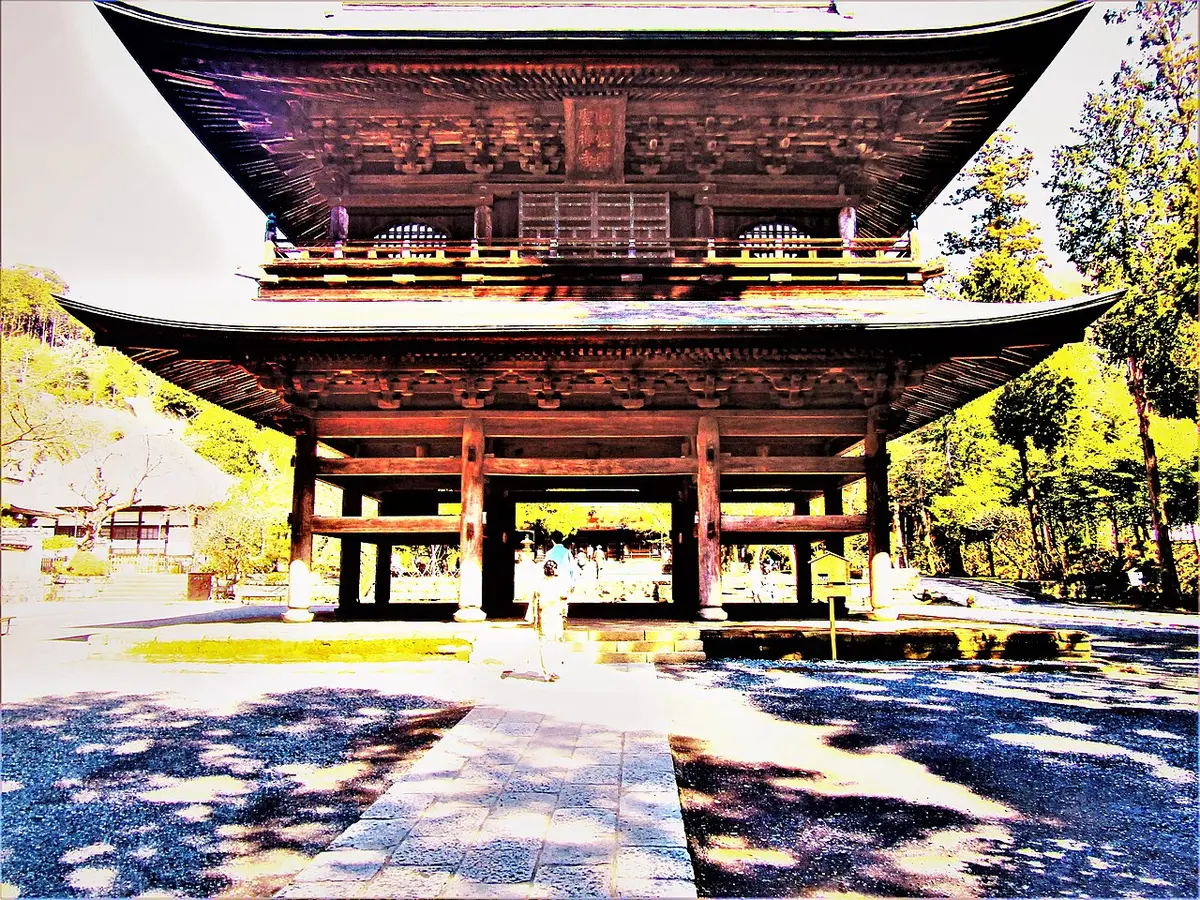
Engakuji starts one minute from Kita-Kamakura Station: a long flight of steps, a huge wooden gate, then halls spread up a valley. Regent Hojo Tokimune founded it with the Chinese monk Mugaku Sogen for those who died fighting the Mongol invasions, and it ranks second of Kamakura’s five great Zen temples. Entry is ¥500. It opens at 8:30 and closes at 16:30 from March to November and 16:00 from December to February. Autumn color here peaks from late November into early December. The Shariden, a national treasure normally closed to visitors, opens for a few days each year; in 2026 that was 31 October to 2 November, together with an airing of the temple’s treasures.
Fee ¥500Hours 8:30-16:30 (Dec-Feb to 16:00)From Kita-Kamakura Stn 1 min walkBest late NovemberMapOfficial site
Tokeiji
Founded in 1285, Tokeiji was for about 600 years a refuge where women could obtain a divorce, until the temple law was abolished in 1871. Today it is a garden temple of moss, plum and irises. Entry is free (you are asked to pray at the main hall and leave an offering), and it is open 9:00 to 16:00, four minutes from the station. Photography is not allowed anywhere in the grounds, by camera or phone, so this is a place to look rather than shoot. The Zen scholar D.T. Suzuki founded the Matsugaoka Bunko library on the hill behind the temple in 1941. The small treasure house closes on the first and third Tuesday of each month.
Fee offeringHours 9:00-16:00From Kita-Kamakura Stn 4 min walkBest February plum, June irisesMapOfficial site
Meigetsu-in
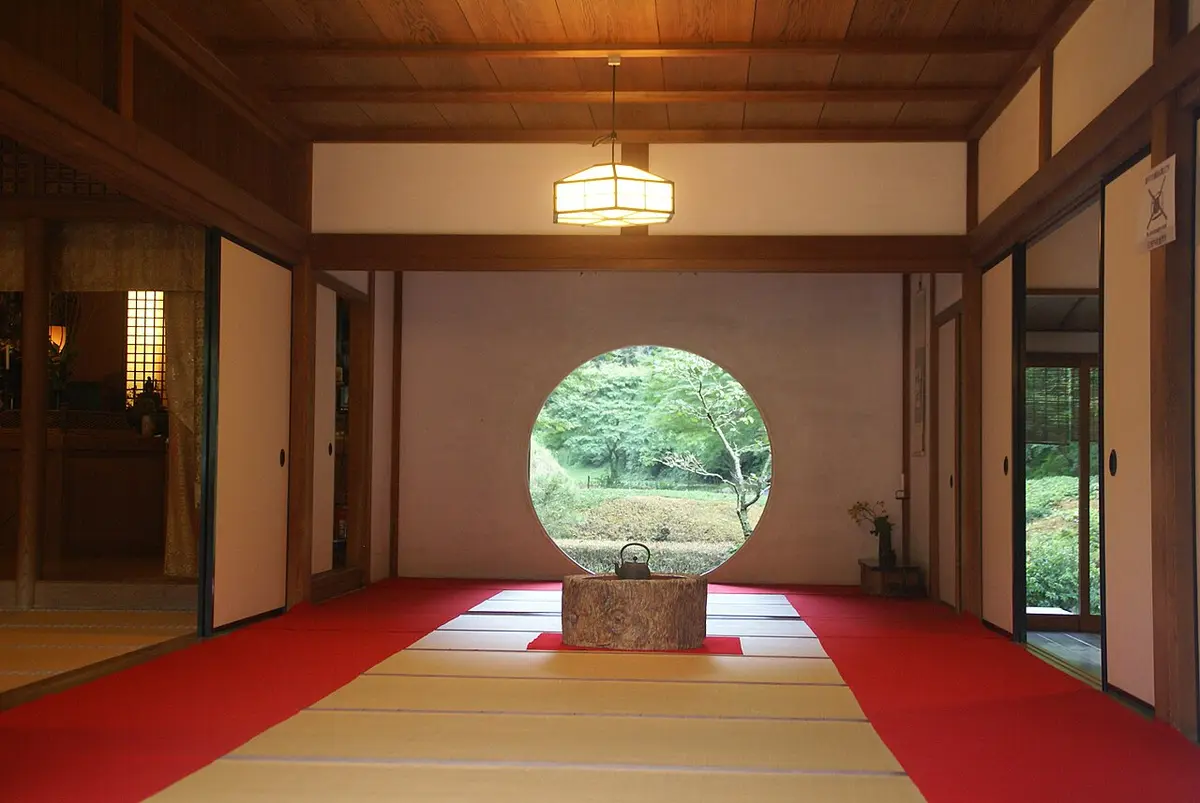
The “hydrangea temple” fills its approach with blue hydrangeas in June, and its round window in the main hall frames the rear garden. Entry is ¥500 for adults and ¥300 for children; the temple normally opens 9:00 to 16:00, and in June 2026 it opened 8:30 to 17:00. The rear garden costs ¥500 more and opens only in June (irises) and November (leaves). In June it is the busiest place in Kita-Kamakura, so go at opening. A private Meigetsu-in hydrangea day from Tokyo arrives for the 8:30 June opening. See the Meigetsu-in guide.
Fee ¥500Hours 9:00-16:00 (June longer)From Kita-Kamakura Stn 10 min walkBest June, NovemberMapOfficial site
Jochiji
Jochiji ranks fourth of the five great Zen temples and is the quietest of them. It was built to pray for Hojo Munemasa, a son of regent Hojo Tokiyori, and in 1323 more than 200 monks gathered here for a memorial to the regent Hojo Sadatoki. A stone stair leads up from the road into a small, shaded garden. Entry is ¥300 for adults and ¥100 for children; it is open every day 9:00 to 16:30. It is eight minutes from Kita-Kamakura Station and is the start of the Daibutsu hiking trail toward the Great Buddha.
Fee ¥300Hours 9:00-16:30From Kita-Kamakura Stn 8 min walkBest early spring, autumnMapOfficial site
Kenchoji
Kenchoji is the first of Kamakura’s five great Zen temples and the head of its own school. Its gate, Buddha hall and lecture hall line up in one axis, and a stair of about 250 steps behind the temple climbs past Hansobo shrine to a lookout toward Mount Fuji (about 30 minutes from the main gate). Entry is ¥500, cash only, open 8:30 to 16:30. It is about 15 minutes’ walk from Kita-Kamakura Station, and about 13 minutes from there on to Tsurugaoka Hachimangu. Public zazen runs on Friday and Saturday afternoons.
Fee ¥500 (cash)Hours 8:30-16:30From Kita-Kamakura Stn about 15 min walkBest late NovemberMapOfficial site
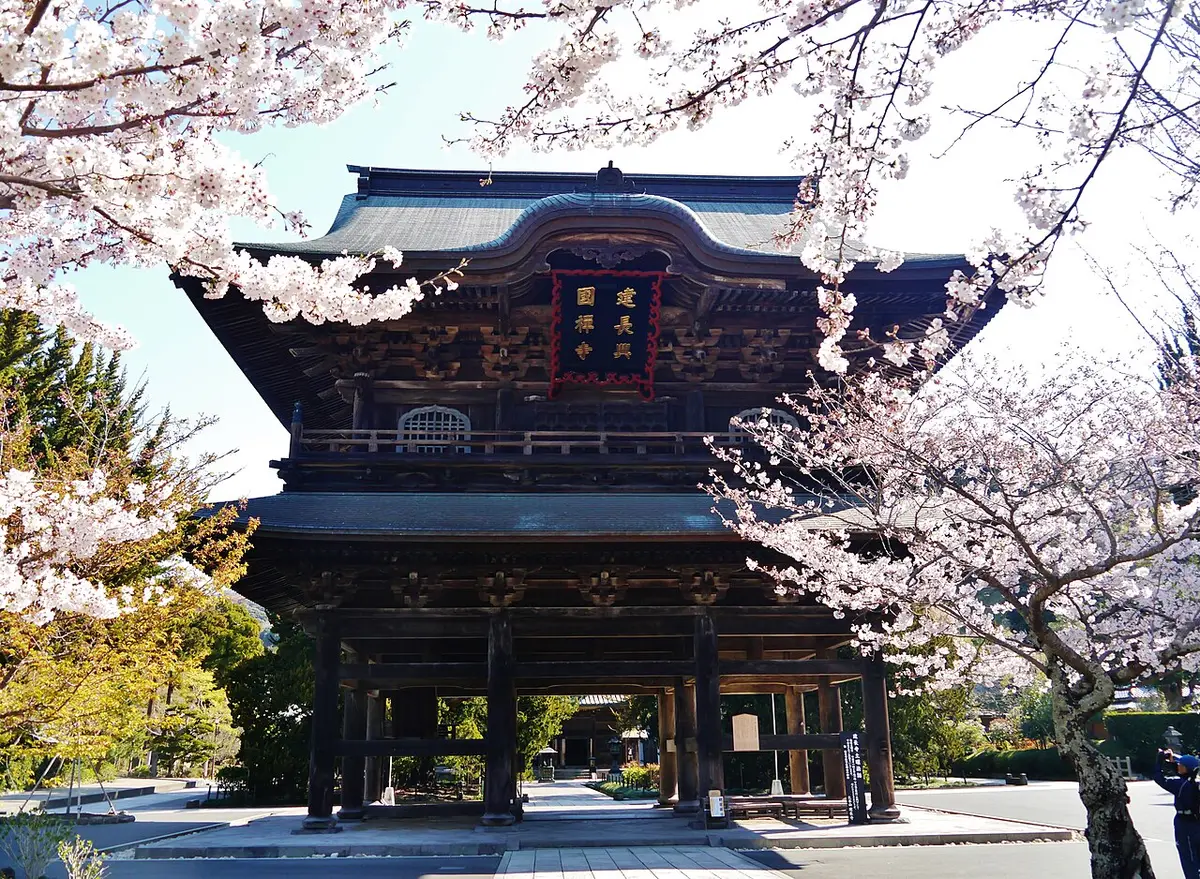
The east valleys: Hokokuji, Sugimoto-dera, Zuisenji and Kamakura-gu
East of the shrine, side valleys hold some of the city’s best gardens. They are a 20 to 40 minute walk from Kamakura Station or a short Keikyu bus ride from the east exit.
Hokokuji (the bamboo temple)
Hokokuji, founded in 1334, is known for its grove of tall moso bamboo. A path loops through it, and a small tea pavilion inside serves matcha with a dry sweet for ¥600 (last order 15:30). Entry is ¥400, open 9:00 to 16:00, closed 29 December to 3 January and in bad weather. The temple’s own directions: Keikyu bus from Kamakura Station about 12 minutes to the Jomyoji stop, then three minutes on foot. On foot from the station it is about 33 minutes. The Zen temple garden tour with matcha includes the bamboo grove. See the Hokokuji guide.
Fee ¥400 (matcha ¥600)Hours 9:00-16:00From Jomyoji bus stop 3 min walkBest weekday at 9:00MapOfficial site
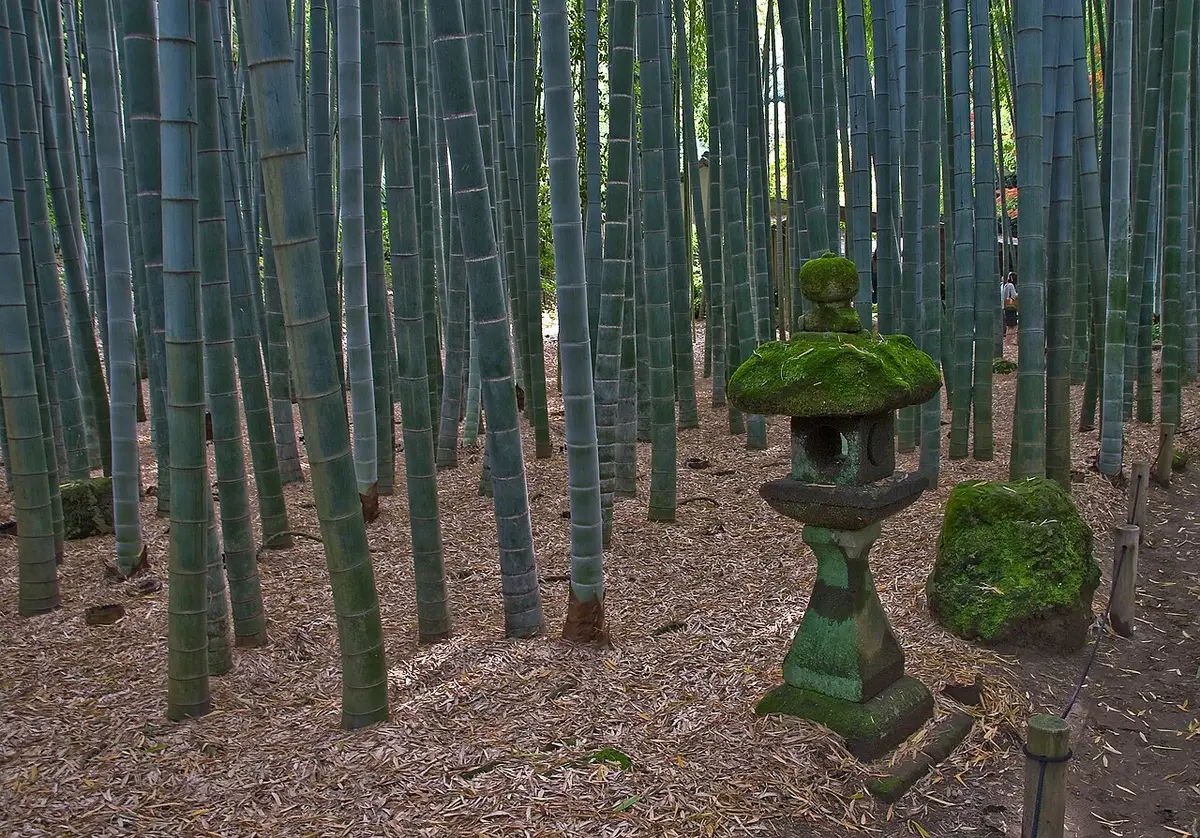
Jomyoji
Jomyoji, fifth of the five great Zen temples, is eight minutes’ walk from Hokokuji and much quieter. Behind the main hall a tea house serves matcha with sweets looking onto a dry garden, and a stone-oven cafe sits on the hill above. Entry is ¥200 for adults (raised in 2026) and ¥100 for children, open 9:00 to 16:30. Combine it with Hokokuji on the same bus trip.
Fee ¥200Hours 9:00-16:30From Hokokuji about 8 min on footBest spring, autumnMapOfficial site
Sugimoto-dera
Kamakura’s oldest temple was founded about 450 years before the shogunate. A thatched main hall holds three eleven-headed Kannon statues, two of them national important cultural properties. Entry is ¥300 for adults; open 9:00 to 16:00 with reception until 15:45. The Sugimoto Kannon bus stop is one minute away, and Hokokuji is about eight minutes on foot, so it fits easily into an east-valley morning.
Fee ¥300Hours 9:00-16:00From Hokokuji about 8 min on footBest late NovemberMapOfficial site
Kamakura-gu
Kamakura-gu was founded by order of Emperor Meiji for Prince Morinaga, who died violently in the Nanbokucho period. The shrine is free; the treasure hall costs ¥300 (open 9:30 to 16:30 from February to November). Every autumn since 1959 the shrine has staged torchlight Noh in its grounds. It is at the Daitonomiya bus terminus, about 16 minutes’ walk from Tsurugaoka Hachimangu.
Fee free (treasure hall ¥300)Hours office 9:00-16:00From Tsurugaoka Hachimangu about 16 min on footBest autumnMapOfficial site
Zuisenji
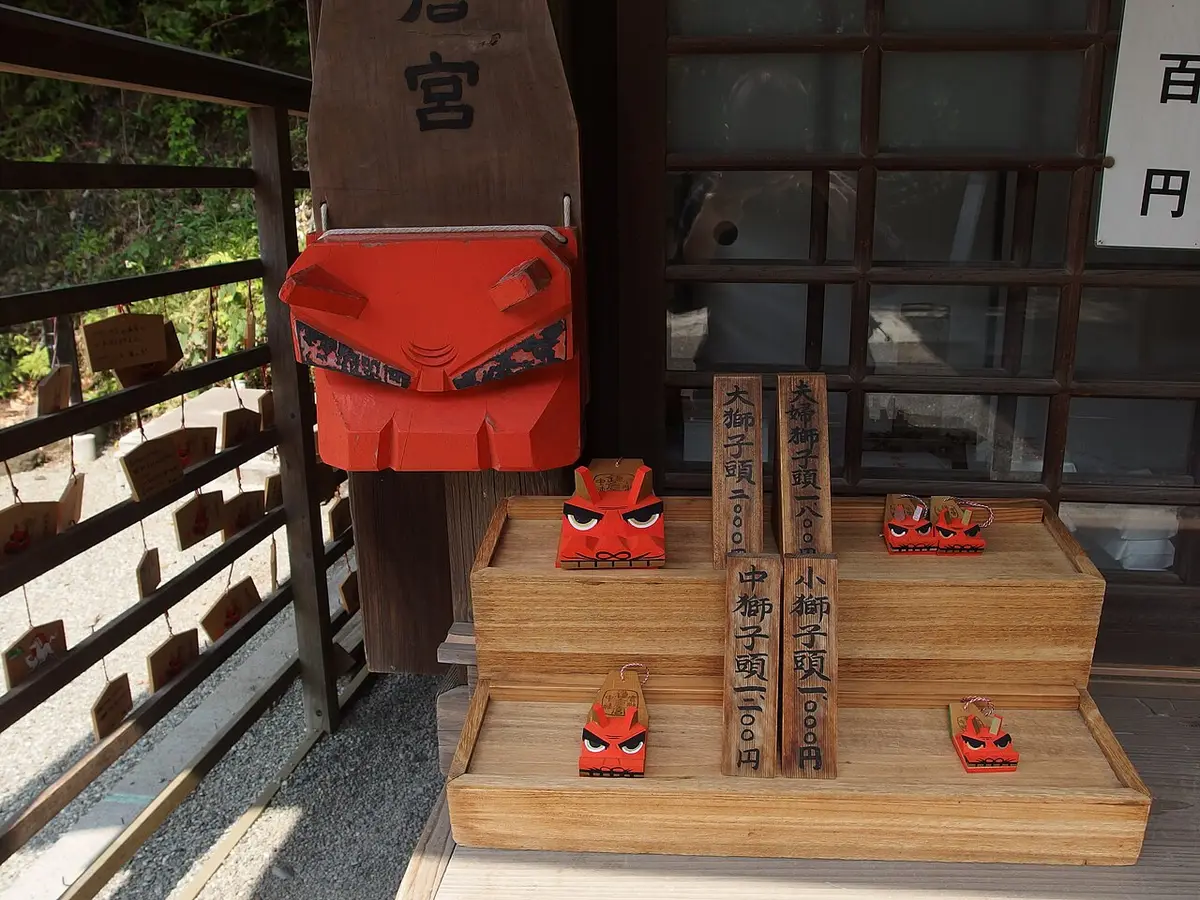
At the far end of the Nikaido valley, Zuisenji has a Zen rock garden cut into the cliff face, credited to Muso Soseki and listed as a national place of scenic beauty. Plum and daffodils in winter and maples in late autumn bring most visitors. Entry is ¥200 for adults and ¥100 for children, open 9:00 to 17:00 (enter by 16:30). From the Daitonomiya bus stop it is ten minutes on foot.
Fee ¥200Hours 9:00-17:00From Daitonomiya bus stop 10 min walkBest February, early DecemberMapOfficial site
Along the Enoden coast
West of Hase, the Enoden runs between houses and then along the sea to Enoshima. A Noriorikun day pass costs ¥800 if you plan several stops; from Shinjuku the Enoshima-Kamakura Freepass covers the whole line. The digital Freepass can be bought in advance.
Goryo Shrine
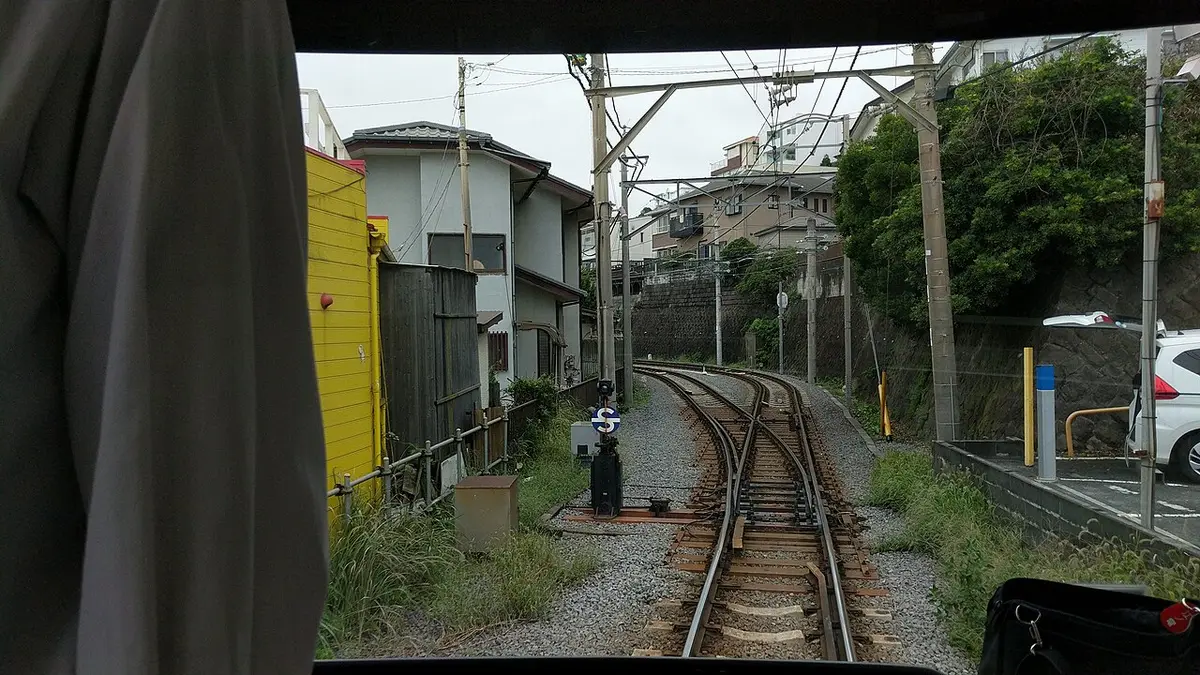
Goryo Shrine stands right beside an Enoden level crossing, so trains pass just in front of its torii. It honors Kamakura Kagemasa, a Heian-period samurai who developed the coast south of Kamakura. The grounds are free; a small storehouse of treasures costs ¥100 (9:00 to 17:00). It is a five-minute walk from Hase Station. Hydrangeas bloom here in June.
Fee free (storehouse ¥100)Hours storehouse 9:00-17:00From Hase Stn 5 min walkBest JuneMap
Gokurakuji
Two minutes from tiny Gokurakuji Station, this Shingon temple once had wide grounds with a hospital. During the Mongol invasions its monk Ninsho prayed here for the enemy’s defeat. Today it is a quiet garden with cherry trees that bloom in early April and a small treasure museum (10:00 to 16:00). Entry is by donation, open 9:00 to 16:30.
Fee donationHours 9:00-16:30From Gokurakuji Stn 2 min walkBest early AprilMapOfficial site
Jojuin
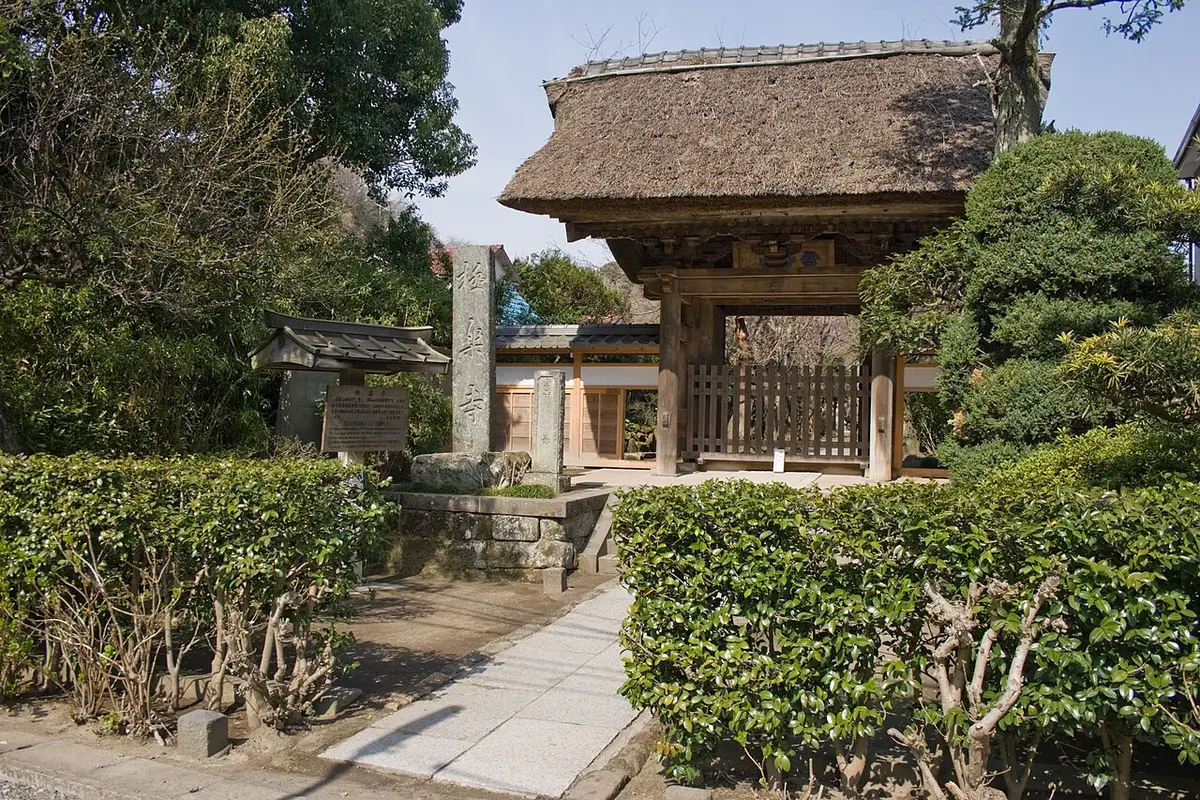
Hojo Yasutoki built Jojuin where the monk Kukai is said to have trained. Its steps give one of the best views over Yuigahama, and it is known for a matchmaking deity. Entry is by donation, open 8:00 to 17:00 (16:30 from November to February). It is about four minutes’ walk from Gokurakuji Station. Lotus in summer and bush clover in early autumn replace the hydrangeas it once had.
Fee donationHours 8:00-17:00From Gokurakuji Stn about 4 min on footBest July, SeptemberMapOfficial site
Yuigahama Beach
Yuigahama is the long sandy beach at the bottom of Wakamiya-oji, packed with swimmers in summer and quiet the rest of the year. It is five minutes from Wadazuka, Yuigahama or Hase stations on the Enoden and about 15 minutes from Kamakura Station on foot. On clear winter days the outline of Mount Fuji can appear across the bay. See our beaches guide for the swimming season.
Fee freeHours always openFrom Yuigahama Stn 5 min walkBest July-August, clear winter morningsMap
Inamuragasaki and Shichirigahama
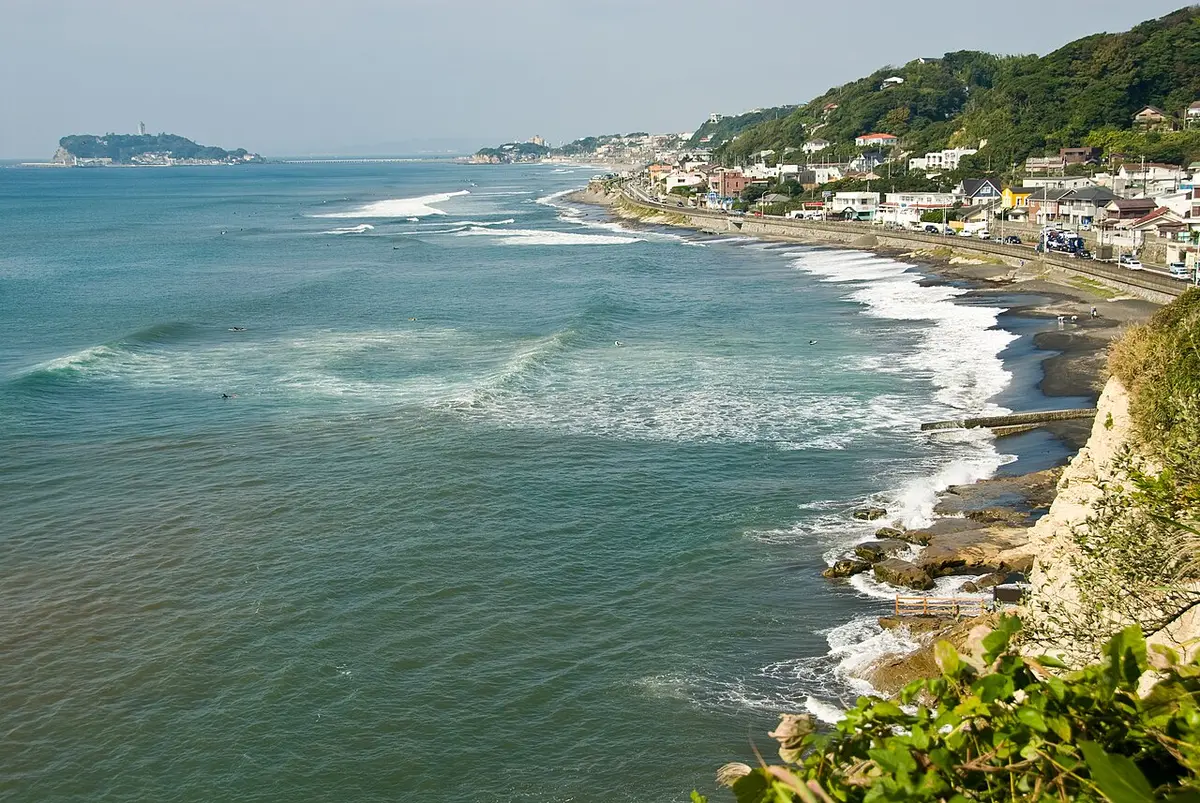
Inamuragasaki is a small cape park ten minutes from Kamakura on the Enoden (¥220), five minutes’ walk from its station. From the top you look along Shichirigahama, a beach of about 4 km, to Enoshima and, on clear days, Mount Fuji: the view Hiroshige and Hokusai painted. Sunset in winter is the classic time. The sea here is not suitable for swimming, but windsurfers and yachts use it in every season.
Fee freeHours always openFrom Inamuragasaki Stn about 5 min walkBest winter sunsetMap
The Kamakura-kokomae crossing
The level crossing by Kamakura-kokomae Station, with the sea right behind the tracks, is one of the most photographed spots on the Enoden. The station is 19 minutes from Kamakura (¥260). Stay on the pavement, do not stand in the road to take pictures, and keep your visit short: people live here and the road carries traffic. From the station you can walk on along the shore to Enoshima in about 25 minutes.
Fee freeFrom Kamakura 19 min by EnodenFare ¥260Best weekday morningMap
Enoshima
Enoshima Island
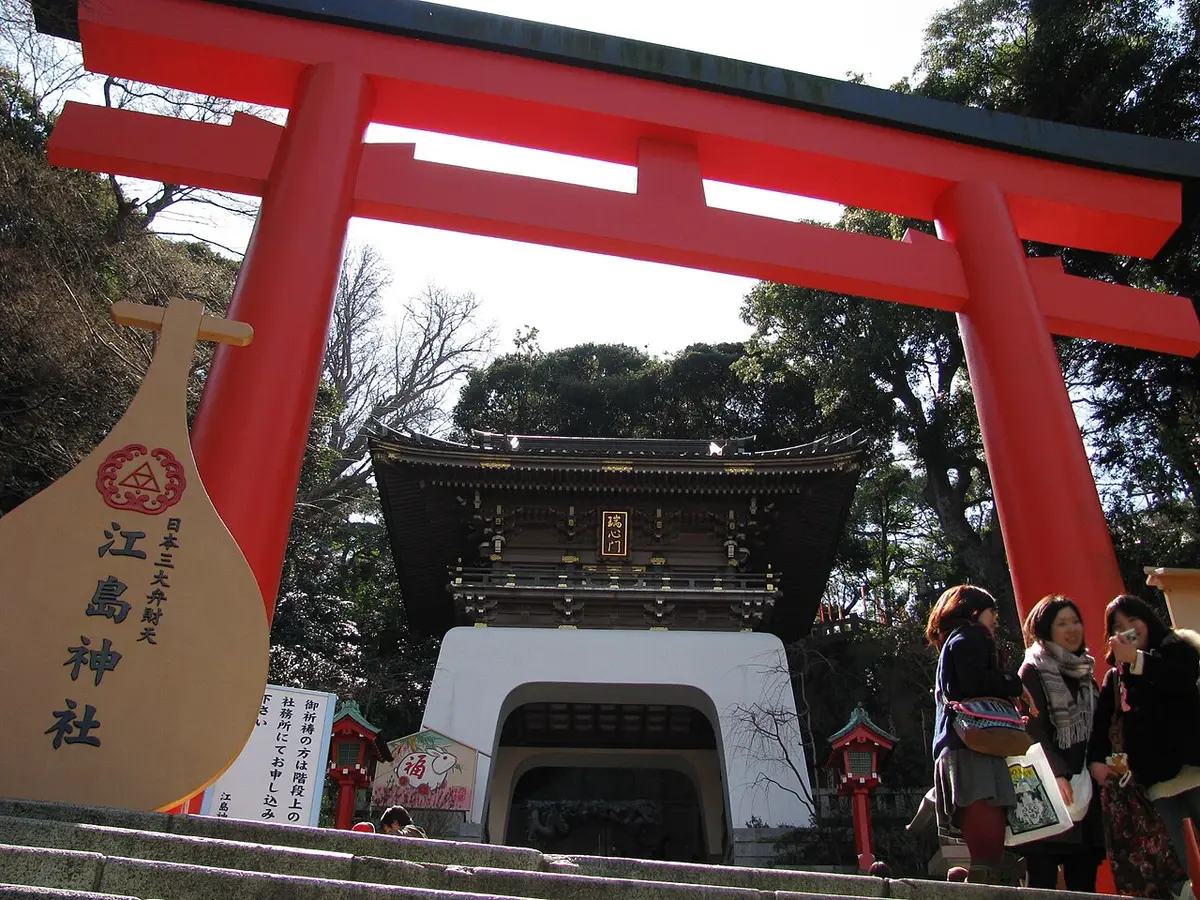
Enoshima is a small island joined to the shore by a bridge, 24 minutes from Kamakura on the Enoden (¥260). Shrines step up the hill, a garden and the Sea Candle lookout sit on top, and sea caves are cut into the far cliffs. The Escar outdoor escalators save the climb, and a one-day ticket covers the Escar, garden, Sea Candle and caves. It deserves half a day of its own: see our Enoshima guide for the route and tickets, or the Enoshima all-access pass.
Fee island free; Sea Candle ¥800From Kamakura 24 min by EnodenFare ¥260Best winter for Fuji viewsMapOfficial site
Experiences: food, kimono, zazen, tea and trails
Food walks and Komachi-dori snacks
Kamakura’s specialty is shirasu, tiny whitebait served raw or boiled on rice. Add hato sabure dove-shaped biscuits, grilled rice crackers and temple-style vegetarian food. The Kamakura hidden food tour (4 hours, small group, led by a food writer) starts at Kita-Kamakura and works through backstreet restaurants. The street food and historical sites walk (about 3 hours) starts at Kamakura Station and adds the shrine and the Enoden.
Kimono rental
Several shops near Komachi-dori dress you in kimono or yukata for the day; you walk to the shrine and return the outfit before closing. The Kamakura kimono experience has its shop at the entrance of Komachi-dori and includes dressing and simple hair styling. RikaWafuku’s Kamakura store is four minutes from the station with more than 300 kimonos. Book a morning slot so you have daylight for photos at the shrine, and keep the day flat: the Kita-Kamakura stairs and the Daibutsu trail are hard work in sandals.
Zazen at a Zen temple
You can sit with monks at several temples without booking, though sessions are in Japanese. Kenchoji holds public zazen every Friday and Saturday from 15:30 to 16:30, free with temple entry (be seated 15 minutes before). Engakuji runs zazen at 11:00 after its Sunday sermons on the second and fourth Sundays, with 80 numbered places. Hokokuji and Tokeiji sit early on Sunday mornings. For an English explanation, the Kamakura Zen Escape tour (6 hours) includes zazen at Engakuji, sutra copying and matcha.
Tea ceremony
Matcha in the bamboo grove at Hokokuji or the tea house at Jomyoji is the easy option. Jomyoji’s tea house looks onto a raked gravel garden and is rarely full. For a full ceremony with explanation, the tea ceremony at Chikusuian runs about an hour near Kita-Kamakura Station: a demonstration, then you whisk your own bowl, with an English interpreter.
Hiking: Daibutsu and Ten-en trails
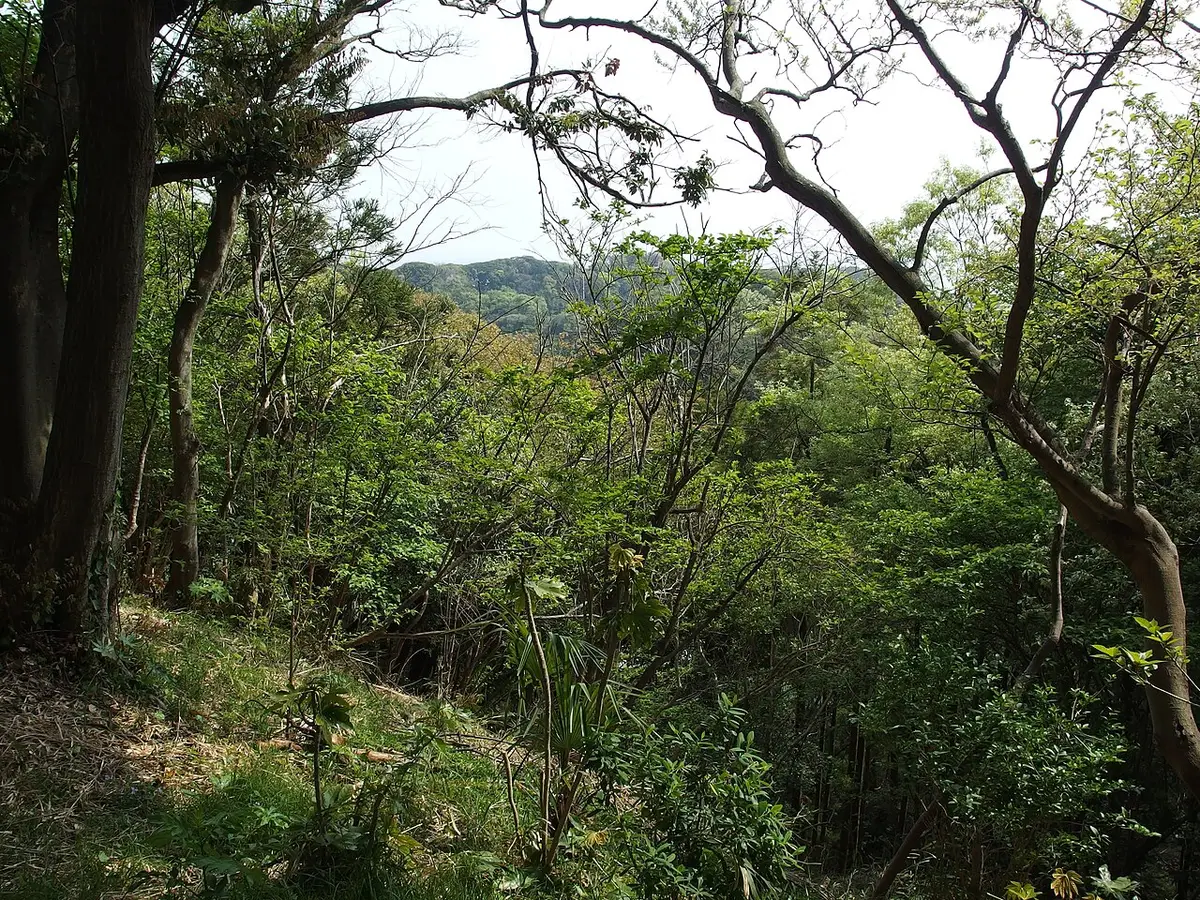
Wooded ridges ring the city, and two trails link the sights. The Daibutsu course runs from Jochiji in Kita-Kamakura past Kuzuharaoka Shrine, Zeniarai Benzaiten and Sasuke Inari to the Great Buddha (the tourism association lists the legs as 25, 15, 15 and 30 minutes). The Ten-en course follows the ridge above Kenchoji toward Zuisenji; a fallen tree closed part of it in March 2026, so check status before you go. Our hiking trails guide has length and climb, and the Kamakura hidden trails day hike (6 hours) is guided by a licensed local.
Rickshaw ride
Rickshaw operators run routes from a short loop to a long tour of backstreets. The private history and heritage tour by rickshaw runs 45 to 190 minutes depending on the option and meets at the operator’s office on the main street. The pullers on that tour speak Japanese, so it suits anyone who wants to see a lot without the walking and does not need a commentary in English.
Planning: getting around, when to go and what it costs
Getting around. Walk within each cluster, and use trains between them: JR between Kita-Kamakura and Kamakura (3 minutes, ¥155) and the Enoden between Kamakura and Hase (4 minutes, ¥200) or Enoshima (24 minutes, ¥260). Buses from the east exit serve the east valleys. Getting here from Tokyo takes about an hour by JR: see how to get to Kamakura and the day trip from Tokyo.
When to go. Temples open between 8:00 and 9:30 and most close between 16:00 and 17:00, so plan a day that starts early and ends at the coast. Weekends, the first week of January and June are the busiest; the city’s live crowd map shows the current level on Komachi-dori and in Hase. For dates, use the bloom calendar and our best time to visit page. In autumn, our autumn leaves page shows the ginkgo and maple windows.
What it costs. Temple fees are small but add up: the Great Buddha ¥300, Hasedera ¥400, Engakuji ¥500, Kenchoji ¥500 and Hokokuji ¥400, before trains and food. The trip cost calculator adds trains, passes and meals for your route.
A simple one-day order. Take an early train to Kita-Kamakura and be at Engakuji when it opens at 8:30. Walk south past Meigetsu-in and Kenchoji to Tsurugaoka Hachimangu (about 13 minutes on foot from Kenchoji), and have lunch around Komachi-dori before the early-afternoon peak, or after it. Then take the Enoden to Hase for Hasedera and the Great Buddha, which stay open later than the Zen temples, and finish at Yuigahama or Inamuragasaki for the sunset. On a second day, add Hokokuji, Jomyoji and Zuisenji in the morning and Enoshima in the afternoon.
Where to stay. Staying one night lets you be at Hasedera or Meigetsu-in when they open, before the trains from Tokyo arrive. Our where to stay in Kamakura page compares the station area, Hase and Kita-Kamakura, and the Kamakura itinerary puts the places above into half-day, one-day and two-day routes. Traveling with children? See Kamakura with kids. Prefer a guide for the whole day? The Kamakura historical walking tour with the Great Buddha (about 5 hours) meets at the clock tower by the west exit, and our Kamakura tours page compares the rest.
Questions people ask
What is Kamakura best known for?
The bronze Great Buddha at Kotoku-in, Tsurugaoka Hachimangu shrine, and the Zen temples of Kita-Kamakura, founded under the Kamakura shogunate. Add the Enoden coastal train, Hasedera's hydrangeas in June and the bamboo grove at Hokokuji, and you have the places most visitors come for.
How many days do you need in Kamakura?
One full day covers Kita-Kamakura, Tsurugaoka Hachimangu, Komachi-dori, the Great Buddha and Hasedera if you start before 9:00. Two days let you add the east valleys (Hokokuji, Zuisenji), a hiking trail and Enoshima at an easy pace. Our itinerary page has both routes with train times.
Do Kamakura temples charge an entrance fee?
Most do. Kotoku-in charges ¥300, Hasedera ¥400, Hokokuji ¥400, Engakuji and Kenchoji ¥500 each. Tsurugaoka Hachimangu, Zeniarai Benzaiten, Tokeiji and Gokurakuji ask only for an offering. Kenchoji takes cash only, so carry coins and small notes. Extras such as matcha at Hokokuji or Meigetsu-in's rear garden are paid on top of entry.
Is Kamakura busy on weekends?
Yes. Weekends, Japanese holidays, the first days of January and June hydrangea season bring the biggest crowds, especially on Komachi-dori, at Hasedera and on the Enoden. On those days arrive at the first temple when it opens (8:00 at Hasedera and Kotoku-in) and leave Komachi-dori for late afternoon.
What is the best month to visit Kamakura?
June for hydrangeas, late November to early December for autumn leaves, and late March to early April for cherry blossoms on the Dankazura. Each is also peak crowd season. For quieter temples with good weather, try mid-May or late October on a weekday.
Read next


Sources (16)
- Kotoku-in (official): admission and hours
- Hasedera (official): admission and access
- Tsurugaoka Hachimangu (official): festivals
- Tsurugaoka Hachimangu (official): New Year 2026 facilities guide (peony garden, treasure hall)
- Engakuji (official): visiting hours and fees
- Kenchoji (official): admission and zazen
- Tokeiji (official)
- Jochiji (official)
- Hokokuji (official): access and admission
- Jomyoji (official): visitor guide
- Kamakura Kokuhokan (Kamakura City)
- VISIT KAMAKURA (Kamakura City Tourism Association): place pages
- VISIT KAMAKURA: Kuzuharaoka-Daibutsu hiking trail
- Kamakura City Tourism Association: hydrangea and autumn leaves reports
- Enoshima Electric Railway (Enoden): fares
- Walking times: OpenStreetMap foot routing (OSRM)