Temples
Hokokuji bamboo temple
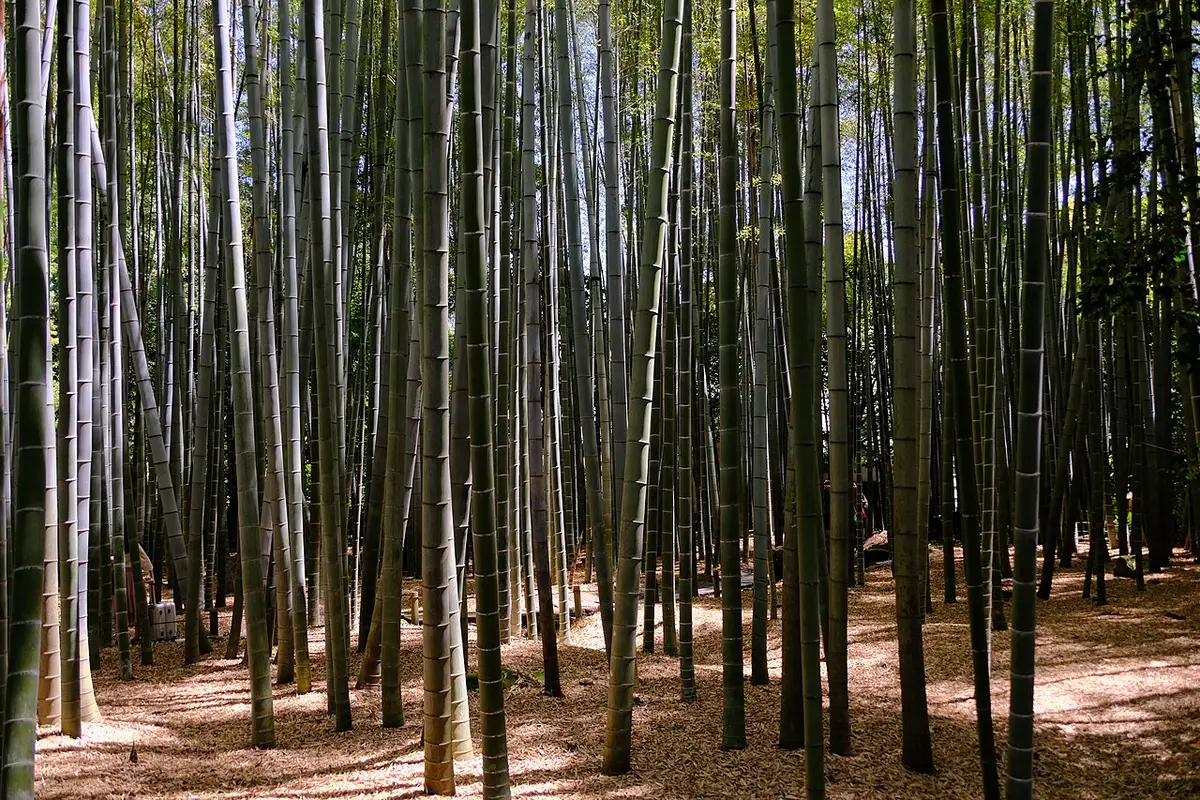
Table of contents
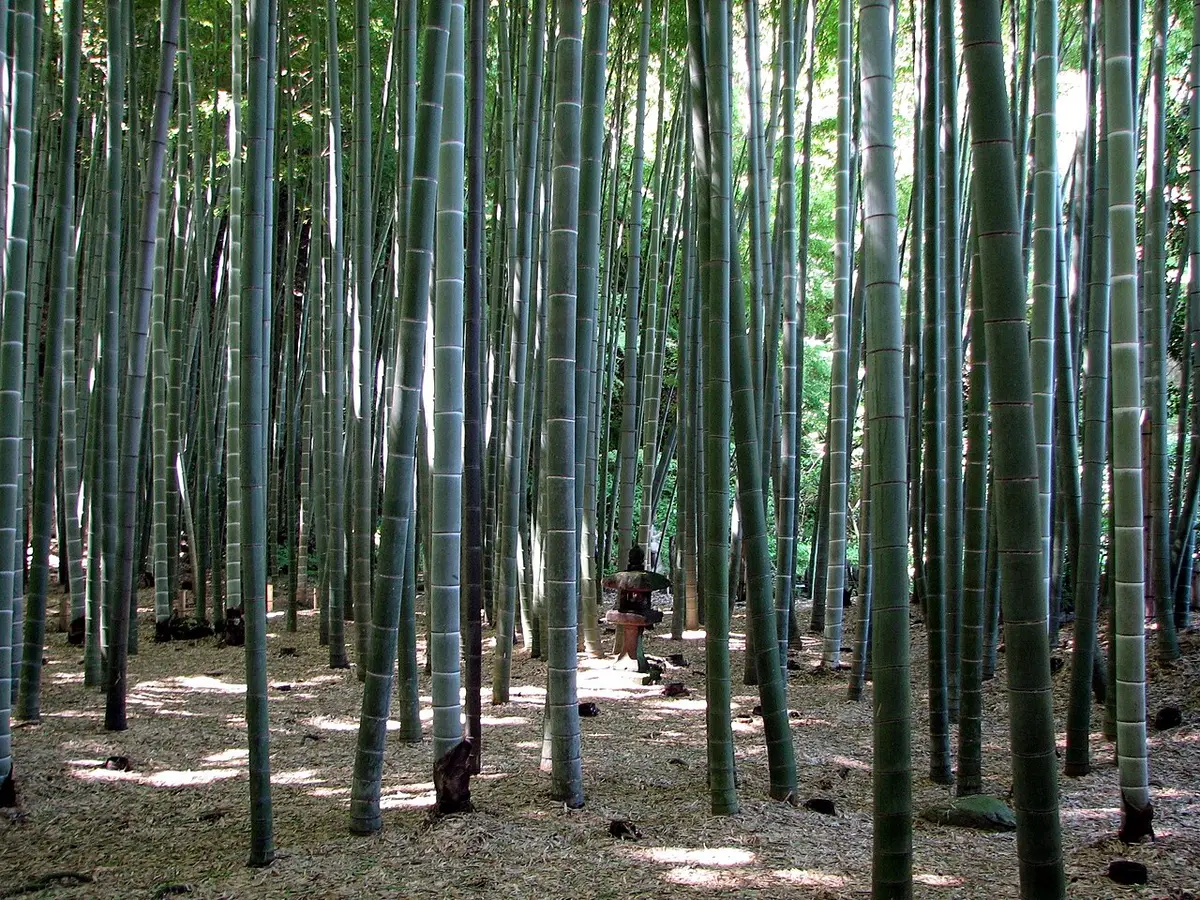
Hokokuji is a small Zen temple in Kamakura’s eastern Jomyoji district whose garden of about 2,000 moso bamboo stalks behind the main hall has made it the city’s “bamboo temple”. Entry is ¥400, a bowl of matcha in the tea house among the bamboo is ¥600 more, and the gate is open from 9:00 to 16:00. It is a 12-minute bus ride or a 35-minute walk from Kamakura Station. The one thing to plan: arrive early, because the tea house stops selling tickets when it fills up and stops for the day at 15:30.
Fee ¥400 (elementary and junior high ¥200)Matcha ¥600 with a dry sweet, tickets until 15:30Hours 9:00-16:00Closed December 29 to January 3, and in bad weatherFrom Kamakura Stn bus 12 min + 3 min walk, or 35 min on footMapOfficial site
Fees, hours and the matcha tea house
You pay at the reception before the main hall. The temple’s own visitor page lists two prices and one add-on:
| Ticket | Price |
|---|---|
| Entry, high school students and adults | ¥400 |
| Entry, elementary and junior high school students | ¥200 |
| Matcha with a dry Japanese sweet (Kyukoan tea house) | ¥600, on top of entry |
The garden is open from 9:00 to 16:00. Matcha tickets are sold at the same reception until 15:30, and the temple warns that it may stop selling them for a while when the tea house is busy. The temple closes from December 29 to January 3 and may close in bad weather. There is no booking for groups.
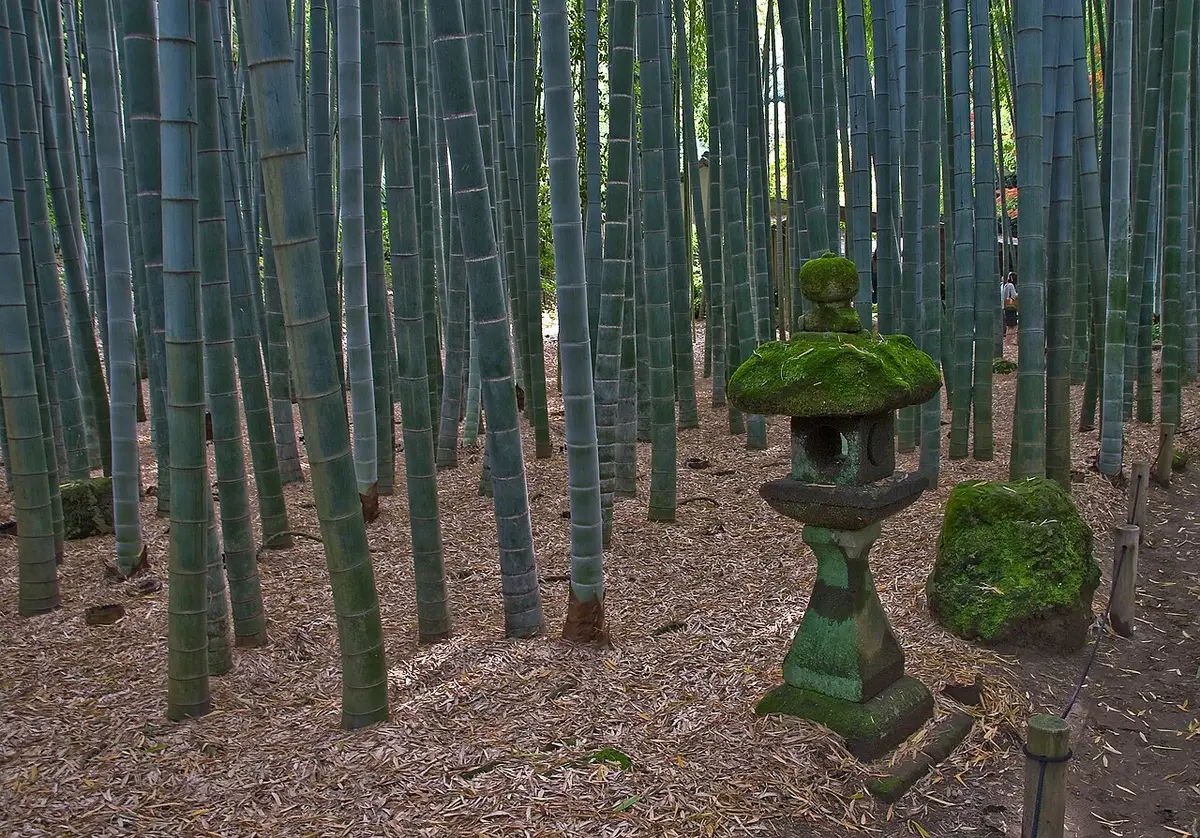
In the tea house, Kyukoan, you drink your matcha looking out over the bamboo, with water running down the rocks beside you.

The bamboo garden and the temple
Hokokuji belongs to the Kenchoji branch of Rinzai Zen. The monk Tengan Eko founded it in 1334 to honour Ashikaga Ietoki, grandfather of Ashikaga Takauji, the first Ashikaga shogun. Tengan Eko had his retreat on the spot that is now the bamboo garden, and the bamboo is moso, the tall, thick-stemmed kind.
Inside the main hall the principal image is a seated Shakyamuni by the sculptor Takuma Hogen, a city-designated cultural property; a statue of the founder from 1347 stands in a side hall. The grounds also hold the graves of Ashikaga Ietoki and other members of the Ashikaga family, and a memorial to the dead of both the Hojo and the Nitta armies. The temple’s most valuable treasures are kept at the Kamakura Kokuhokan museum in the grounds of Tsurugaoka Hachimangu.
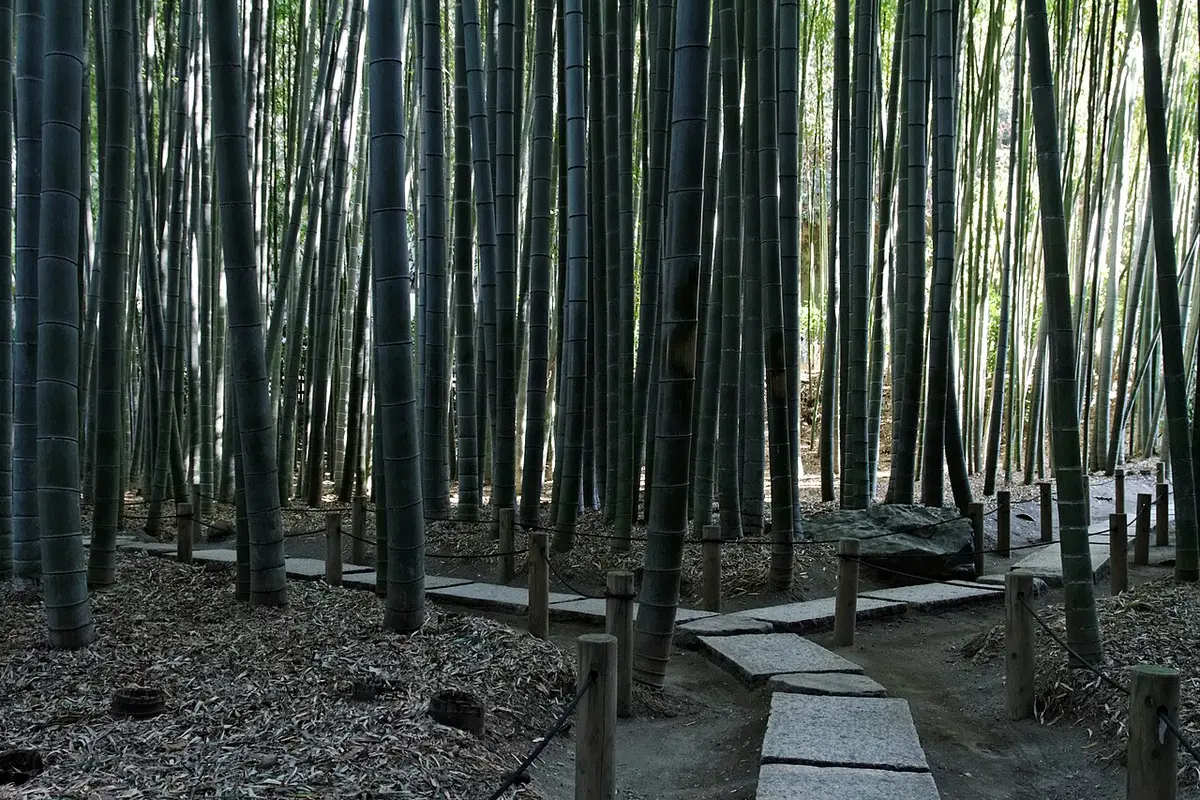

Rules: keep quiet, no tripods or camera pods (the tourism association adds monopods and selfie sticks), no eating or drinking in the garden, no smoking, no pets except guide dogs, and do not step over the fences or touch the plants.
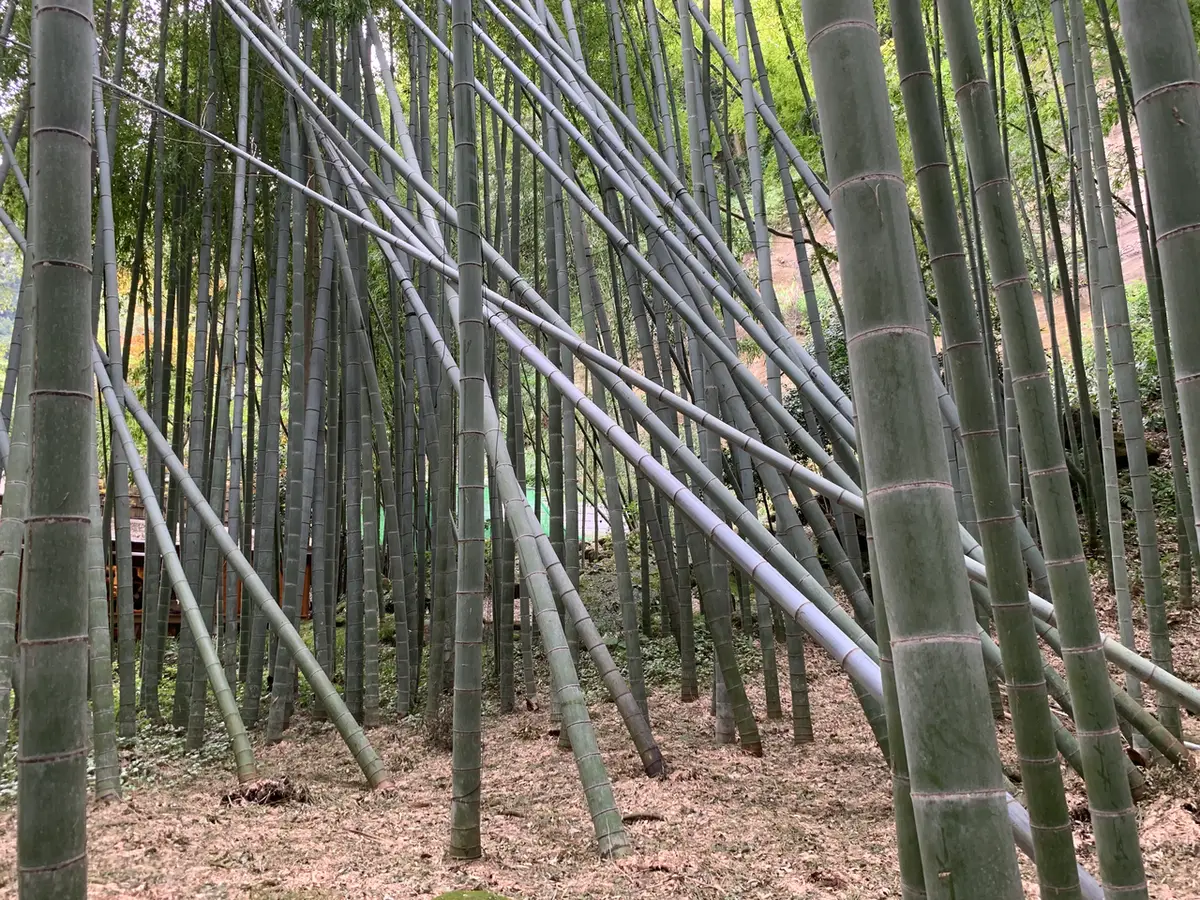

Zazen: the temple holds a zazen (seated meditation) session every Sunday from 7:30 to 9:15. Details are on the temple’s zazen page.
How to get to Hokokuji
By bus (12 minutes): from Kamakura Station East Exit, take a Keikyu bus from stop 4 bound for Kamakura Reien Shomenmae Tachiarai, Kanazawa-hakkei or Highland. Get off at Jomyoji after about 12 minutes; the temple is a 3-minute walk from the stop, according to Hokokuji’s access notes.
By taxi (7 minutes): the temple gives about 7 minutes from Kamakura Station.
On foot (35 minutes): the tourism association gives 35 minutes from Kamakura Station. It makes sense in the morning, with the bus back after a day of sightseeing.
From Tokyo, the JR Yokosuka Line reaches Kamakura in 56 minutes; our guide to getting to Kamakura compares the routes from Shinjuku, Shinagawa and Yokohama.
When to go and how to beat the crowd
Three things help:
- Be at the gate at 9:00, when it opens. A train from Tokyo that reaches Kamakura around 8:30 gets you there on time with the 12-minute bus ride and the 3-minute walk. The early-bird morning tour includes Hokokuji with Hasedera, the Great Buddha and Tsurugaoka Hachimangu, in groups of up to eight.
- Pick a weekday, and avoid June and November weekends if you can. In 2025 those were Kamakura’s two busiest months after January, with 1,676,678 and 1,272,024 visits across the city. The city’s crowd map shows the live level in the main areas on the day.
- Have your matcha early. Ticket sales stop at 15:30, and earlier when the tea house is full.
Evening openings: from November 2026 the temple lights the garden for an evening special viewing about twice a month, usually on the first and third Saturday. Numbers are limited and tickets are sold online through Peatix; the temple sells at the gate only if seats remain. Sales for each month open on the first of the month before at 12:00.
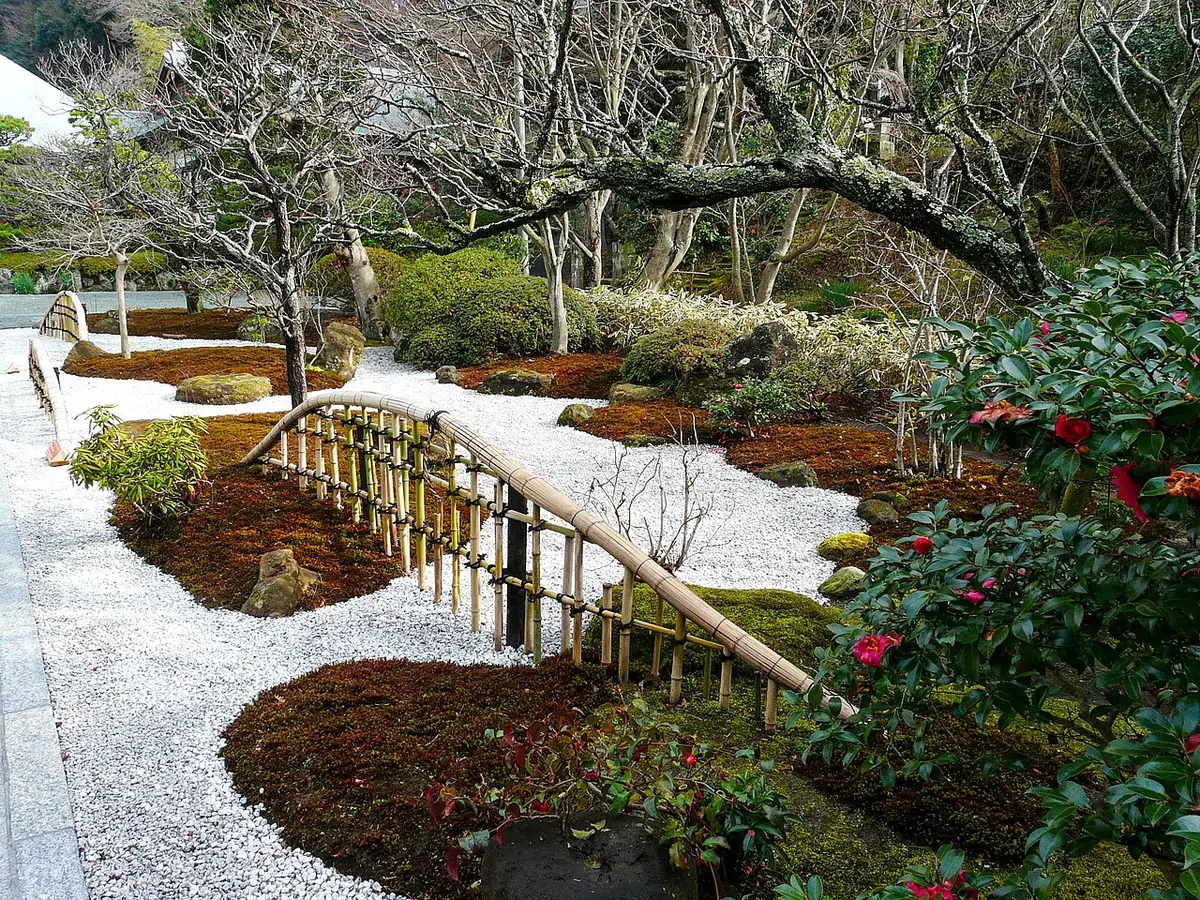
Seasons: the bamboo is green all year, so there is no wrong month for the garden itself. The tourism association lists flowering quince and roses in spring, iwatabako (a small purple flower that grows on damp rock) in summer, and winter-flowering cherry and camellias in winter. In late November and early December the maples of the surrounding hills turn; the autumn leaves guide has the modelled dates. Light rain does not stop a visit, but the temple may close in bad weather.
For the year’s busiest periods and the bloom and leaf windows, see the crowd and bloom calendar and the best time to visit. The day planner puts Hokokuji first if you choose the east side.

Guided tours that include Hokokuji
If you would rather not manage buses, two kinds of tours stop here. The Zen temple garden tour with matcha is a four-hour guided walk from 9:30 that covers Jomyoji and Hokokuji, with entry to three temples and the Hokokuji matcha listed as included. For a family or small group from Tokyo, the private Hokokuji bamboo valley tour is a nine-hour day in a private van for one to six guests: you choose three to five stops, and Hokokuji entry with a bowl of matcha is included. Group day tours such as the Kamakura and Enoshima small group tour stop here only briefly. More options are compared in our Kamakura tours guide.
A half day on the east side
The temples east of Tsurugaoka Hachimangu link up easily on foot. A relaxed morning:
| Stop | Getting there | Fee |
|---|---|---|
| Hokokuji, 9:00 | bus from Kamakura Station stop 4, 12 min + 3 min walk | ¥400, matcha ¥600 |
| Jomyoji | about 8 min on foot | ¥200 |
| Sugimoto-dera | about 9 min on foot from Jomyoji | ¥300 |
| Kamakura-gu | about 11 min on foot from Sugimoto-dera | grounds free |
| Back to Kamakura Station | Keikyu bus from Daitonomiya, about 15 min |
That is about three hours with tea. In the afternoon, take the Enoden to Hase for the Great Buddha and Hasedera, or eat your way down Komachi-dori (see Kamakura food). Entry fees for the morning come to ¥900 per adult before the matcha; the trip cost calculator adds trains and food for your group. Children pay ¥200 at Hokokuji, and our Kamakura with kids guide has a family route.
Nearby: Jomyoji, Sugimoto-dera and the hills
Jomyoji and Sugimoto-dera are each about 8 minutes on foot from Hokokuji, so you can make a half day of the area.
Jomyoji
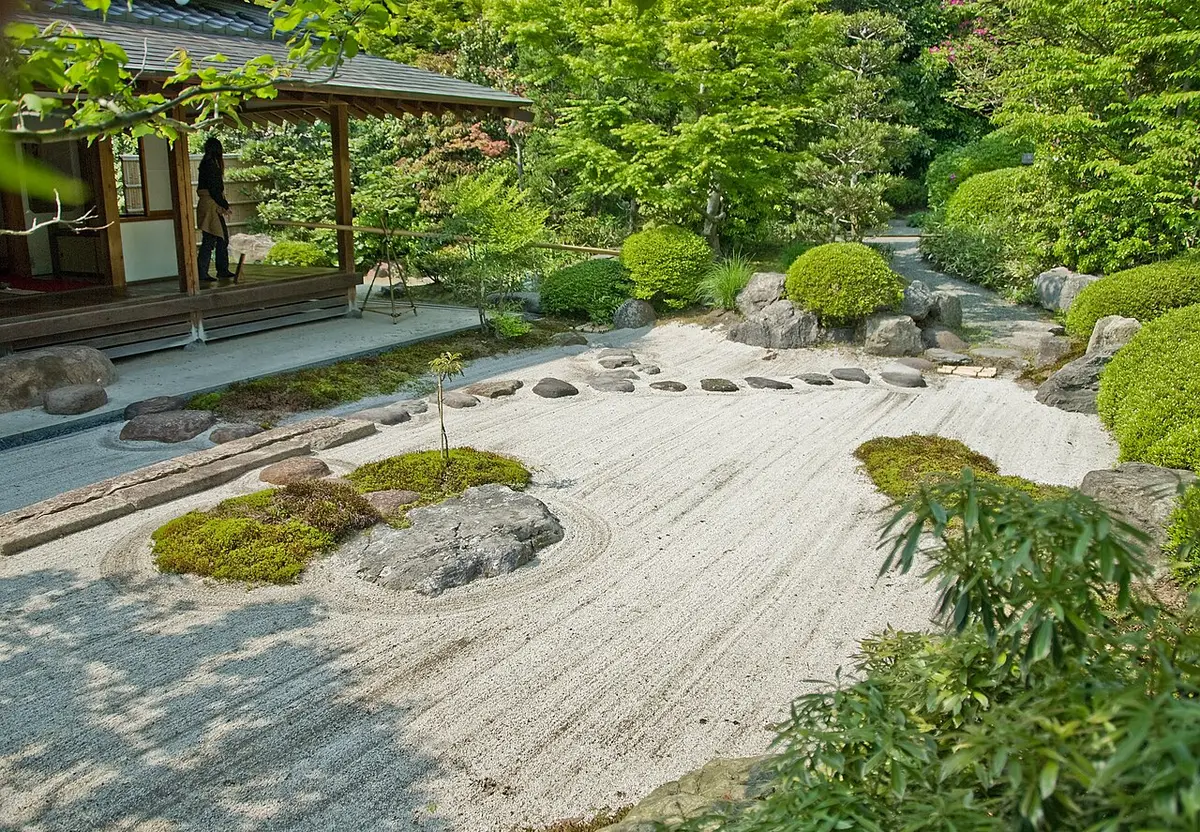
Jomyoji, about 8 minutes on foot from Hokokuji, is fifth of the Kamakura Gozan, the city’s five great Zen temples, founded in 1188. Its main hall has a broad, heavy roof, and the Kisen-an tea room looks onto the temple garden; tea there is paid separately from entry. The fee rose in March 2026.
Fee ¥200 (elementary ¥100)Hours 9:00-16:30Tea room Kisen-an, 10:00-16:30 (winter until 16:00)Bus Jomyoji stop, 1 min walkMapOfficial site

Sugimoto-dera
Sugimoto-dera, about 8 minutes on foot west of Hokokuji, dates itself to 734, which makes it Kamakura’s oldest temple by its own account. In its main hall you can go inside and pray close to the statues, among them three standing figures of the eleven-headed Kannon. It is the first temple on both the Bando and the Kamakura 33 Kannon pilgrimages.
Fee ¥300 (junior high ¥200, elementary ¥100)Hours 9:00-16:00 (last entry 15:45)From Hokokuji about 8 min on footMapOfficial site
Kamakura-gu and the Ten-en trail
Grounds free; treasure hall ¥300 (elementary ¥150)Bus Daitonomiya stop, 1 min walkFrom Hokokuji about 16 min on footMapOfficial site
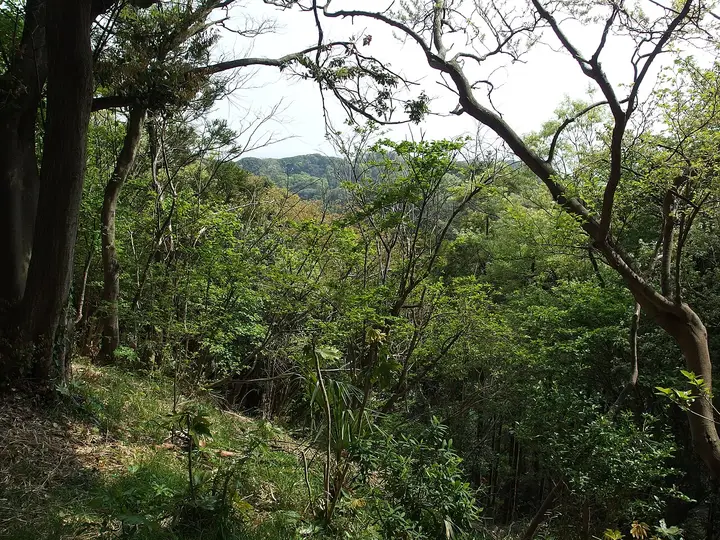
About 16 minutes on foot north of Hokokuji, Kamakura-gu sits at the Daitonomiya bus terminus, which is also the nearest stop for the eastern end of the Ten-en hiking course. If you have a morning free and good shoes, walk the ridge from Kenchoji to Zuisenji and come down to Hokokuji for matcha; the Kamakura hiking trails guide has the route, the times and the current trail status. The private 6-hour hike with a government-licensed guide is personalized and lists Hokokuji among its stops.
Further east along the same bus line, the Juniso-jinja stop is the start of Asaina Kiridoshi, a road cut through the hills in the 1240s and now open to walkers only. For the rest of the town, see things to do in Kamakura and the one-day itinerary, which fits Hokokuji into a full day.

Questions people ask
How much does Hokokuji cost?
Entry to the bamboo garden is ¥400 for high school students and adults and ¥200 for elementary and junior high school students. Matcha with a dry sweet in the Kyukoan tea house costs ¥600 on top of the entry fee; buy the matcha ticket at the entrance before 15:30. Pay both at the reception when you arrive.
How do I get to Hokokuji from Kamakura Station?
Take a Keikyu bus from stop 4 at Kamakura Station's East Exit, bound for Kamakura Reien Shomenmae Tachiarai, Kanazawa-hakkei or Highland. Get off at Jomyoji after about 12 minutes and walk 3 minutes. A taxi takes about 7 minutes, and the walk is about 35 minutes along the Kanazawa-kaido road.
When is Hokokuji least crowded?
Come at the 9:00 opening on a weekday. In 2025 June and November were Kamakura's busiest months after the New Year, and the temple pauses matcha ticket sales when the tea house is full, so a late visit can mean no tea. From November 2026 it also opens some Saturday evenings for a limited number of ticket holders.
Can I bring a tripod to Hokokuji?
No. The temple bans tripods and camera pods, and the tourism association adds monopods and selfie sticks to the list. The temple also asks visitors to stay quiet, not to eat or drink, not to cross the fences or touch the plants, and not to bring pets other than guide dogs.
Read next
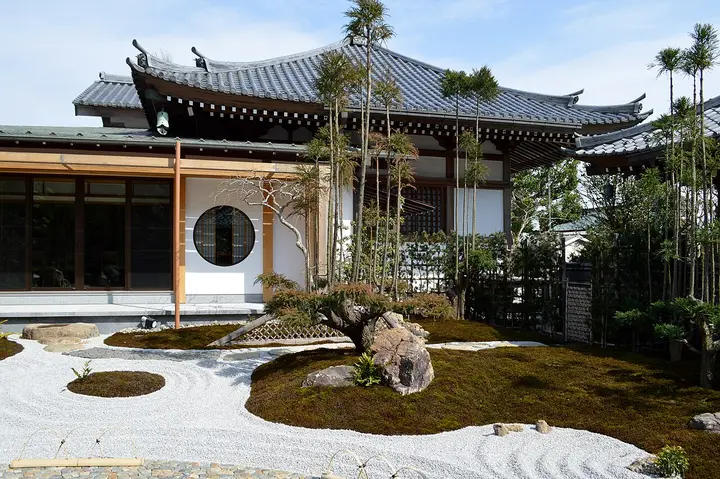 Things to do in KamakuraTemples, shrines, trails and streets with fees, hours and walking times.
 Kamakura itinerariesHalf day, full day and two days with Enoshima, timed leg by leg.
 Kamakura hiking trailsDaibutsu, Ten-en and Gionyama: length, time, climb and status.
 Tsurugaoka HachimanguKamakura's main shrine, festivals and the Dankazura path.
Sources (11)
- Hokokuji (official): fees, hours, matcha, FAQ
- Hokokuji (official, English): history, access, rules
- Hokokuji (official): evening special viewing from November 2026
- Kamakura City Tourist Association: Hokokuji
- Jomyoji (official)
- Kamakura City Tourist Association: Jomyoji
- Sugimoto-dera (official): hours and fees
- Kamakura City: Kamakura Free Kankyo Tegata (bus and Enoden day pass)
- Kamakura City: tourism statistics 2025
- Kamakura tourism crowd map
- OpenStreetMap walking routes (OSRM foot profile)