Costs
Kamakura trip cost
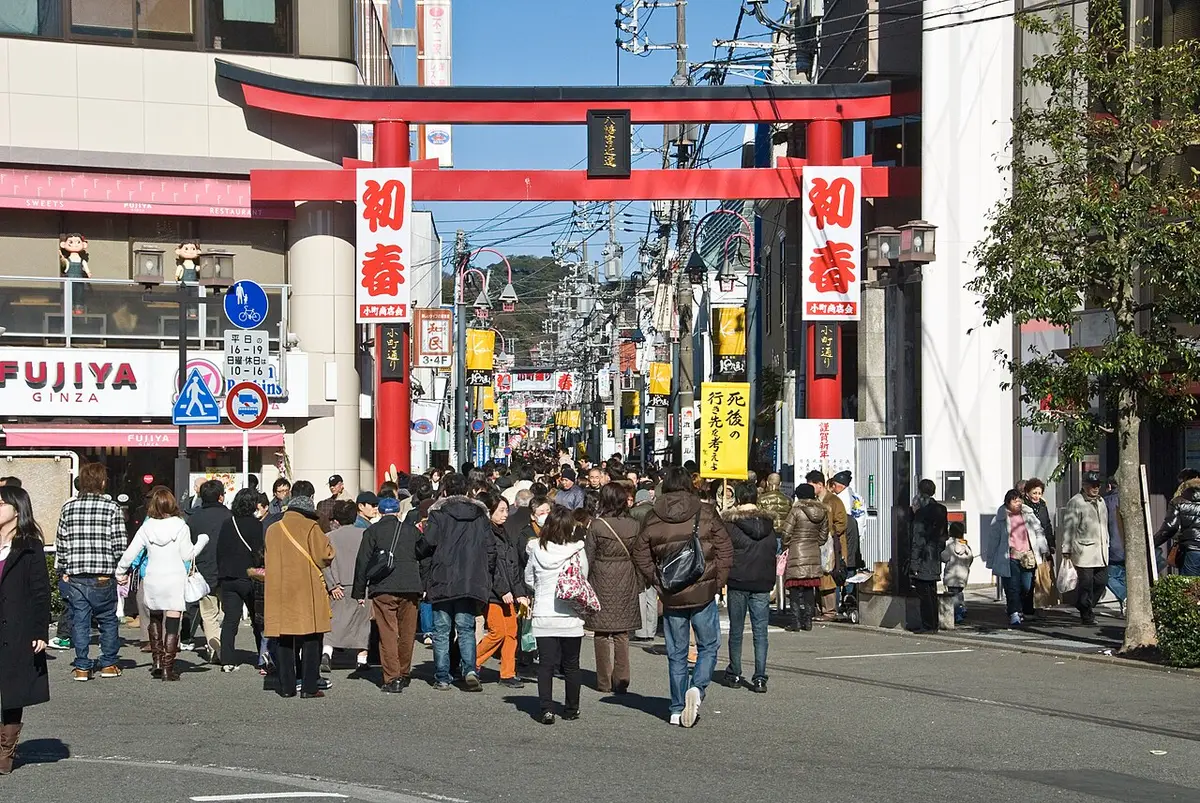
Table of contents
A day trip to Kamakura from Tokyo costs ¥2,768 per adult on a simple plan: the JR round trip from Tokyo Station (¥2,068), the Enoden to Hase and back (¥400) and the Great Buddha (¥300). A fuller day that starts with the Zen temples in Kita-Kamakura, takes in five paid sights and Enoshima, and ends on the Romancecar to Shinjuku comes to ¥5,611. Food and shopping come on top. Use the calculator below for your own start station, stops and group, or read on for every line of the budget.
What will your day cost?
The cost table
Every line below is per adult unless stated. Child prices follow in the sections underneath.
| Item | Adult | Notes |
|---|---|---|
| Getting there (IC card, round trip) | ||
| Tokyo Station and back, JR | ¥2,068 | 56 min each way, no change |
| Shinjuku and back, JR | ¥2,068 | Shonan-Shinjuku Line for Zushi |
| Shinagawa and back, JR | ¥1,606 | 46 min each way |
| Yokohama and back, JR | ¥880 | 24 min each way |
| Haneda Airport to Kamakura, one way | ¥837 | Keikyu and JR, 2 changes |
| Green Car seat, each way, Suica | ¥750 or ¥1,000 | by distance band |
| Getting around | ||
| Enoden single ride | ¥200 to ¥310 | Kamakura to Hase ¥200 |
| Noriorikun Enoden day pass | ¥800 | all Enoden trains, one day |
| Enoshima-Kamakura Freepass from Shinjuku | ¥1,640 | Odakyu round trip and Enoden |
| Kamakura Free Kankyo Tegata | ¥900 | Enoden Kamakura to Hase and buses |
| Temples and shrines | ||
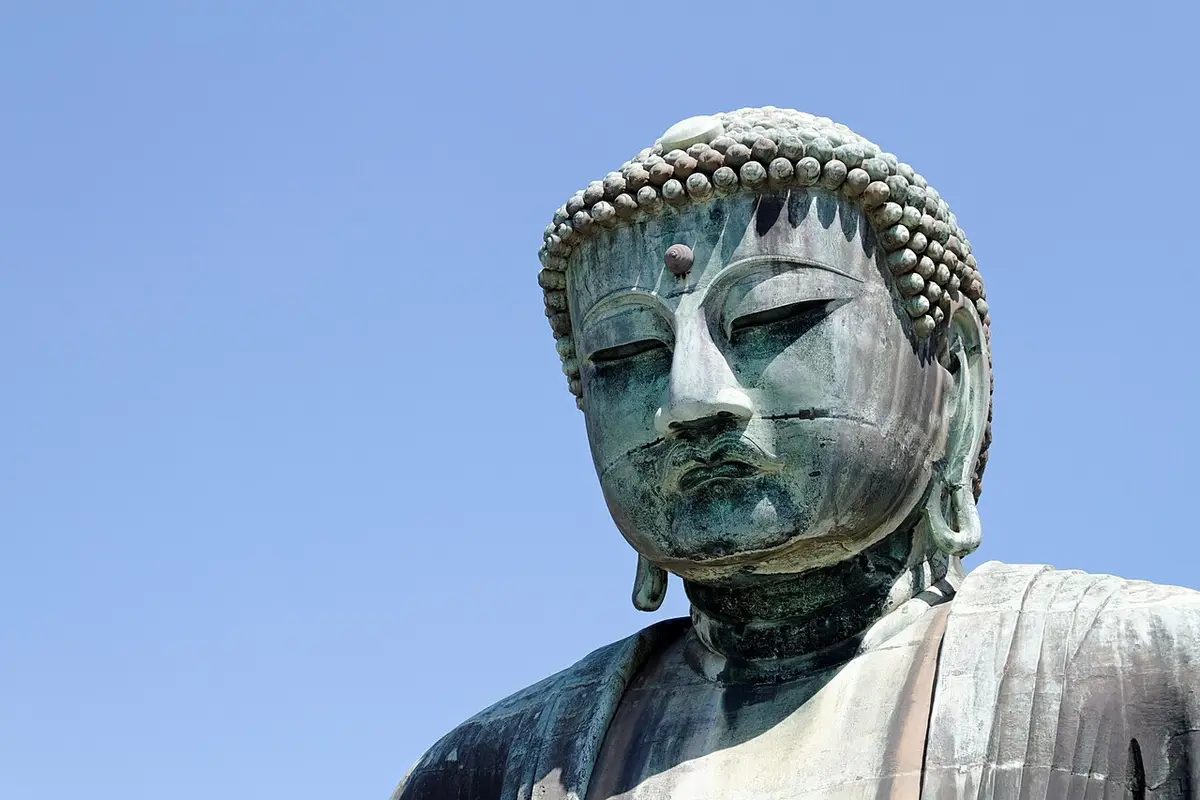
| Kotoku-in (Great Buddha) | ¥300 | inside the statue ¥50 more |
| Hasedera | ¥400 | June hydrangea path ¥500 more |
| Meigetsu-in | ¥500 | rear garden ¥500 more when open |
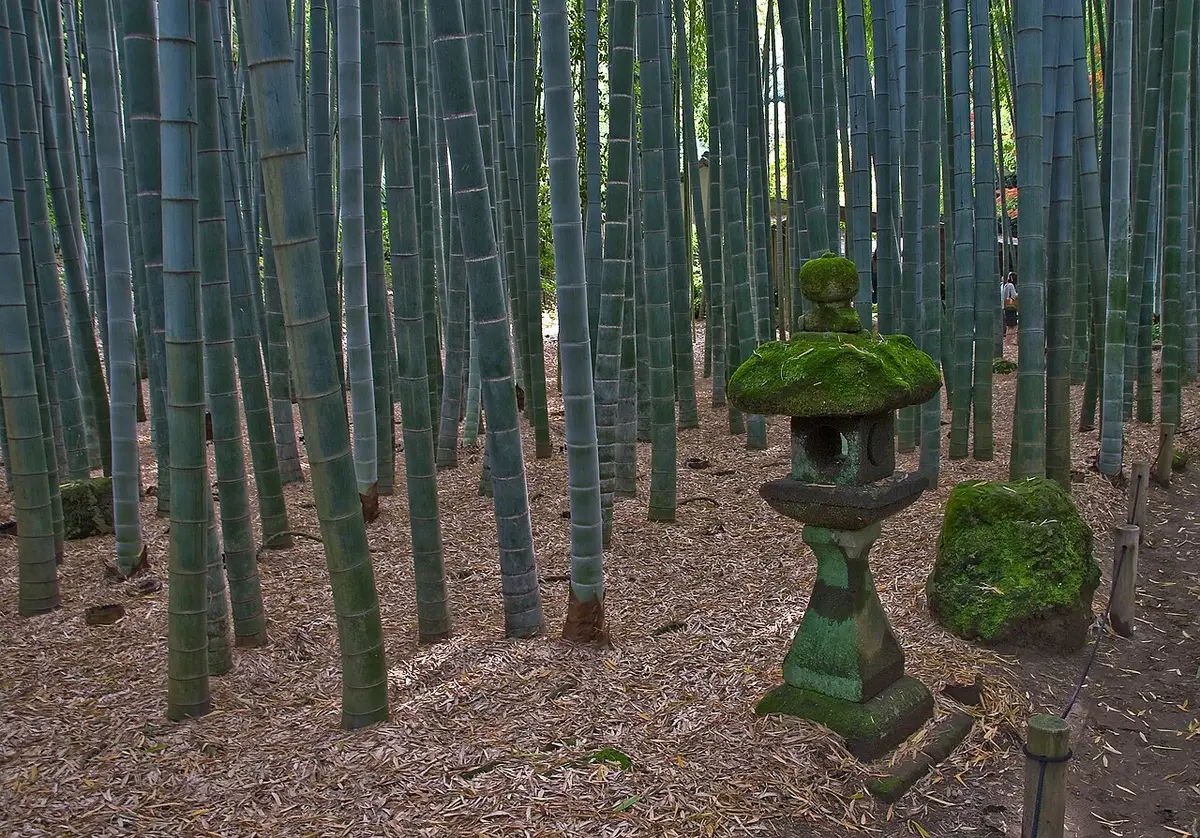
| Hokokuji (bamboo garden) | ¥400 | matcha ¥600 more |
| Engakuji | ¥500 | |
| Kenchoji | ¥500 | cash only |
| Jomyoji | ¥200 | |
| Zuisenji | ¥200 | |
| Tsurugaoka Hachimangu | no listed fee | treasure hall ¥200 |
| Zeniarai Benzaiten, Gokurakuji | donation | |
| Enoshima | ||
| Escar outdoor escalators, all sections | ¥500 | |
| Sea Candle lighthouse | ¥800 | |
| Sea Candle set (Escar, garden, Sea Candle) | ¥1,100 | |
| Iwaya caves | ¥500 | |
| Enoshima 1day ticket (all four) | ¥1,550 | |
| Food and shopping | your own line | see below |
Opening hours and child prices are on each place’s page: Great Buddha, Hasedera, Meigetsu-in, Hokokuji, Kita-Kamakura temples, Tsurugaoka Hachimangu and Enoshima.

Transport: the biggest line
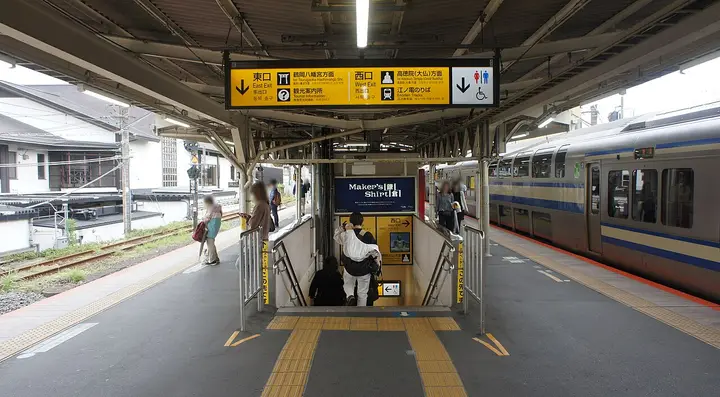
For most visitors the train from Tokyo is the largest single cost. With an IC card, Tokyo Station to Kamakura is ¥1,034 each way on the JR Yokosuka Line, and Shinjuku to Kamakura is the same on the Shonan-Shinjuku Line. Shinagawa saves a little (¥803 each way) and Yokohama a lot (¥440). From Shibuya, the Tokyu Toyoko Line to Yokohama plus JR costs ¥749 one way instead of ¥1,034. Every start point, with minutes and changes, is on the getting there page.
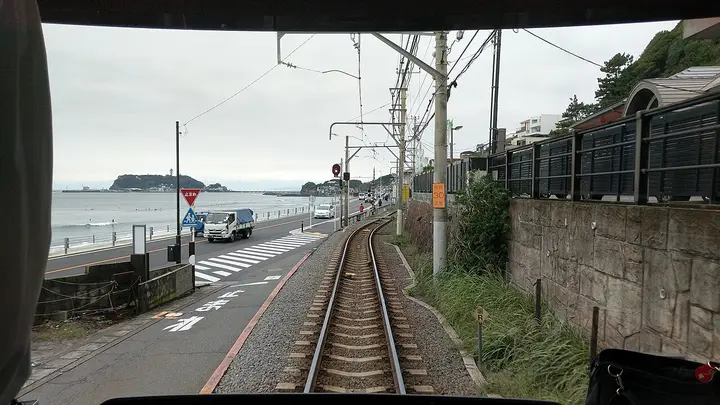
Inside Kamakura, the Enoden is the only paid ride most people need. Kamakura to Hase, for the Great Buddha and Hasedera, is ¥200 and 4 minutes. Hase to Enoshima is ¥260; Kamakura to Fujisawa, the full line, is ¥310. Three or four hops in a day are where the passes come in:
- Noriorikun (¥800): unlimited Enoden rides for a day. Usually worth it from the fourth ride.
- Enoshima-Kamakura Freepass (¥1,640 from Shinjuku): Odakyu round trip plus Enoden. Worth it from Shinjuku if you ride Odakyu both ways and the Enoden twice or more. The Freepass page works through the cases, or book the Enoshima-Kamakura Freepass on Klook.
- Kamakura Free Kankyo Tegata (¥900): Enoden Kamakura to Hase plus buses from the east exit to Kita-Kamakura, Hokokuji, Kamakura-gu and the Great Buddha. Worth it only with several bus rides.
Tsurugaoka Hachimangu, Komachi-dori and the Kita-Kamakura temples are all walkable from the JR stations, which keeps the transport line short. A Suica IC card from Klook, picked up at the airport, covers every train in this table.
From the airports. If Kamakura is your first or last stop in Japan, budget the airport leg separately. Haneda Airport to Kamakura by Keikyu and JR is ¥837 one way with an IC card (¥1,674 if you also fly out of Haneda from Kamakura). From Narita, the cheapest train route is ¥2,316 one way with two changes, and the Narita Express route with one change at Shinagawa is ¥4,150 including the limited express charge. Both take a little over two hours.
IC card or paper. JR East’s route search lists one fare per route and marks it for IC cards, and contactless bank cards on the Enoden pay adult fares only. Loading an IC card is the simplest way to pay exactly the fares on this page.
Green Car. A seat in the double-deck Green Car on the JR line costs ¥750 (up to 50 km) or ¥1,000 (up to 100 km) each way with a Suica Green ticket, and more on paper or on board. JR East’s search lists ¥1,000 for the direct train from Shibuya. It is the main upgrade that raises a Kamakura budget. A Kamakura day trip from Tokyo by Green Car and the Enoden builds a booked day around it.
Temple and sight fees
Kamakura’s temples charge modest, fixed fees, and several of the best places charge nothing at all.
Paid temples, adult and child:
- Kotoku-in (Great Buddha): ¥300, child ¥150, plus ¥50 to step inside the statue.
- Hasedera: ¥400, child ¥200. In the June hydrangea season, the hydrangea path has its own ticket of ¥500 on top; see the hydrangea guide.
- Meigetsu-in: ¥500, child ¥300. The rear garden behind the main hall opens in the iris and autumn seasons for ¥500 more.
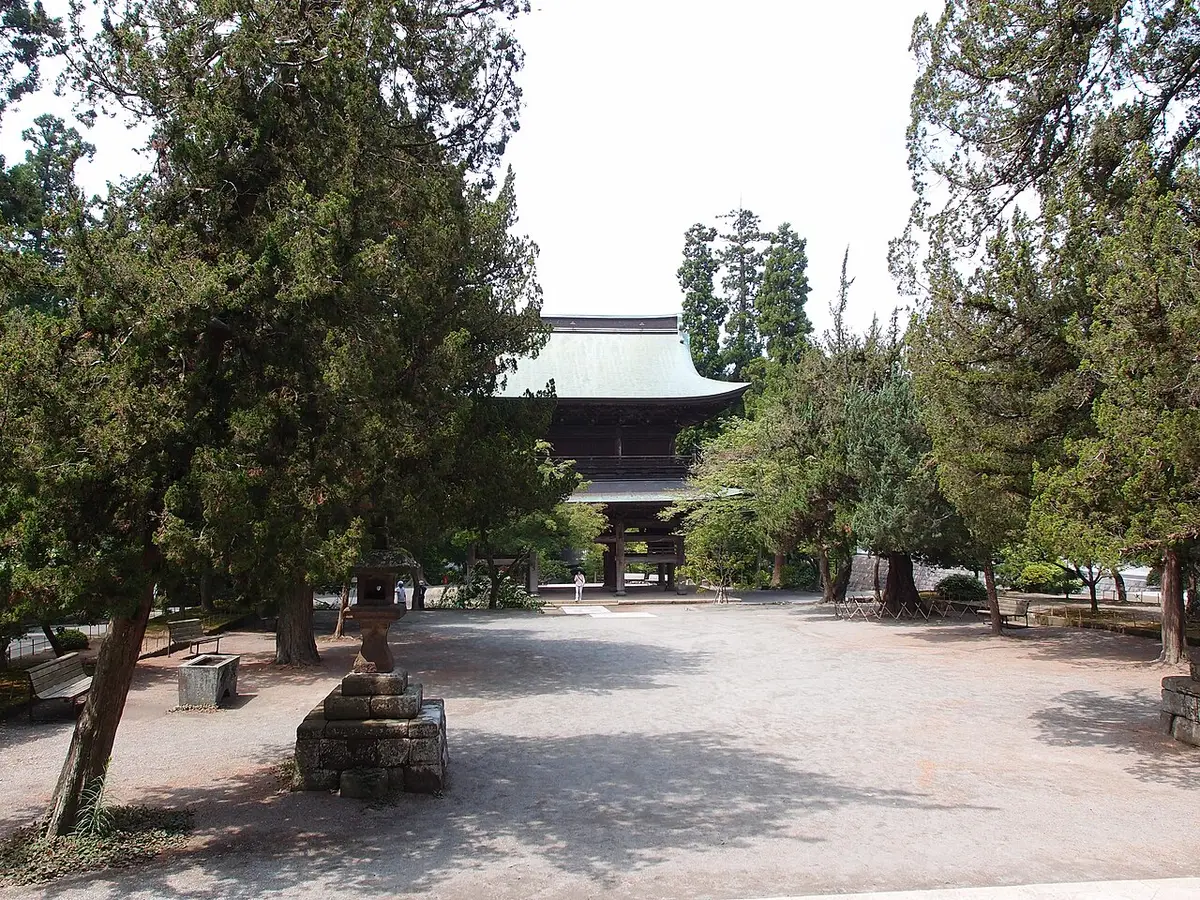
- Hokokuji: ¥400, child ¥200 for the bamboo garden.
- Engakuji: ¥500, child ¥200.
- Kenchoji: ¥500, child ¥200, cash only.
- Jomyoji: ¥200, child ¥100.
- Zuisenji: ¥200.
No fixed fee: the grounds of Tsurugaoka Hachimangu (its treasure hall is ¥200), Zeniarai Benzaiten (donation), Gokurakuji (donation), Jojuin (donation), Komachi-dori and the beaches.
A temple-heavy day that pays at Kotoku-in, Hasedera, Hokokuji, Engakuji, Kenchoji and Meigetsu-in adds up to ¥2,600 in admissions. Pick three or four and the admissions line stays well under that.

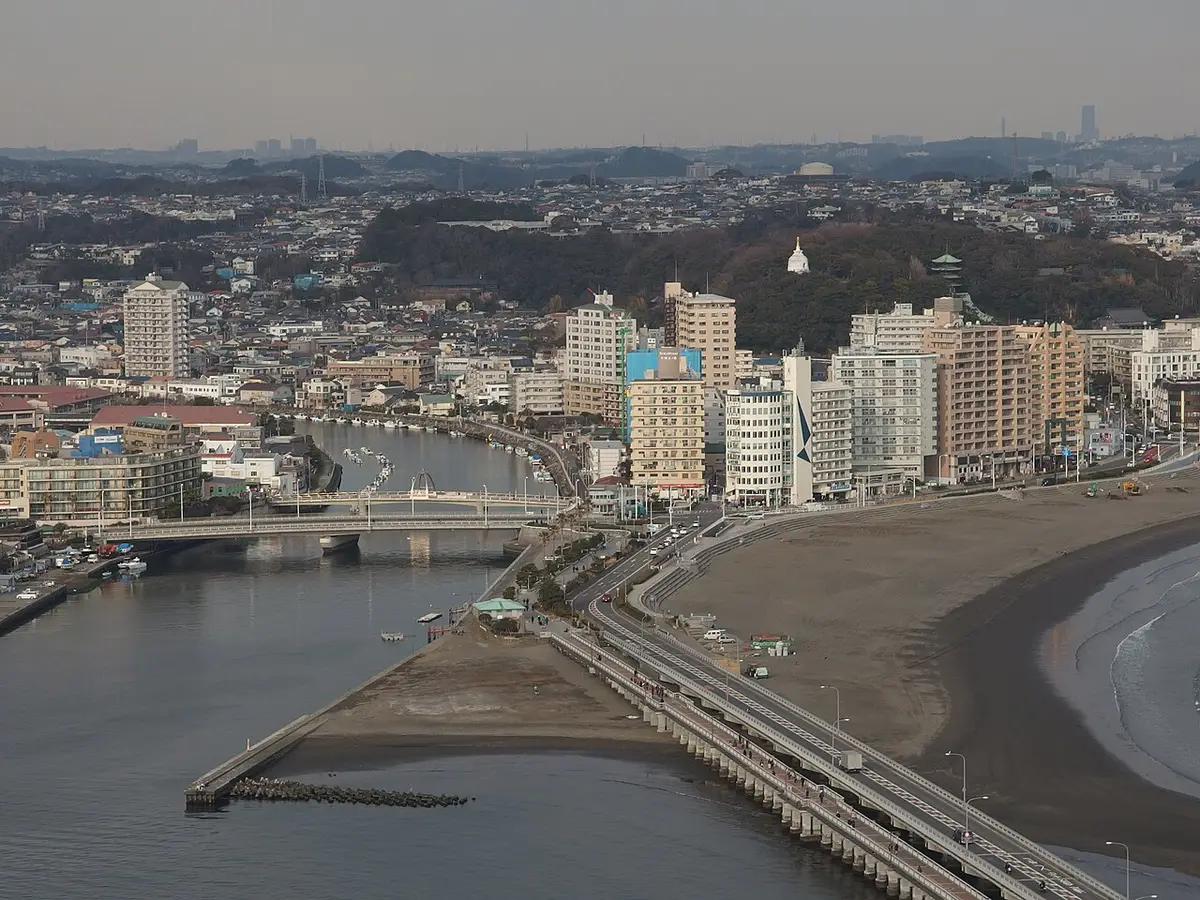
Enoshima. Walking up the island and visiting Enoshima Shrine’s grounds costs nothing. The paid extras are the Escar outdoor escalators (¥500 for all sections), the Sea Candle lighthouse (¥800), and the Iwaya caves (¥500). The set tickets save money if you want more than one: ¥1,100 for the Escar, the Samuel Cocking Garden and the Sea Candle, or ¥1,550 for all of those plus the caves. The garden itself is free in the daytime. Klook also sells an Enoshima Island All-Access Pass that bundles the Escar, Sea Candle, Iwaya caves and Enoshima Aquarium.

Food: your own line
What you spend on food depends entirely on where and how you eat, from snacks on Komachi-dori to a sit-down shirasu lunch, so this page does not put a number on it. One menu price is printed by the place itself: at Hokokuji, matcha with a dry sweet in the temple’s Kyukoan tea house costs ¥600, on top of the ¥400 admission.
For a sense of the total, the City of Kamakura’s own estimate is that a day visitor spent ¥7,463 on average in 2025, and an overnight guest ¥36,696. Those figures include transport, admissions, food and shopping, and for overnight guests the room. Treat them as an average, not a target.
Add your food budget as its own line in the calculator above, and remember that some small restaurants and temples take cash only.
Optional extras: tours and stays
A guided tour replaces the transport and planning lines with one booking. The most common format is a full day from Tokyo by train with a guide, covering the Great Buddha and Enoshima, such as the Kamakura and Enoshima day tour with train ride or the small-group Kamakura and Enoshima day tour. Check what the listing includes: some cover train fares and temple fees, others do not. Our tours page compares the options by what is included and who they suit.
If you stay the night, the room becomes the largest line. Where to stay in Kamakura and where to stay in Enoshima cover the areas. Near the station, Hotel Metropolitan Kamakura is a short walk from Kamakura Station. Sleeping locally lets you reach Hasedera or Meigetsu-in at opening time, before the day-trip trains arrive.
Cheapest day: ¥2,768 from Tokyo
A full, simple day from Tokyo Station that still sees the two sights most people come for:
- JR Tokyo to Kamakura and back (IC card): ¥2,068
- Enoden Kamakura to Hase and back: ¥400
- Kotoku-in (Great Buddha): ¥300
- Tsurugaoka Hachimangu, Komachi-dori, Yuigahama beach: free
- Total per adult, before food: ¥2,768
The route: JR to Kamakura, about 13 minutes on foot to Tsurugaoka Hachimangu, back through Komachi-dori, the Enoden to Hase, the Great Buddha, about 12 minutes on foot from Hase Station to Yuigahama beach, and the Enoden and JR home.
Ways to spend even less:
- Start from Yokohama. The same day from Yokohama Station costs ¥1,580 (¥880 JR return, ¥400 Enoden, ¥300 Great Buddha).
- Walk instead of the Enoden. Kamakura Station to Kotoku-in is about 31 minutes on foot, which saves the ¥400 Enoden return.
- From Shibuya, use the Tokyu Toyoko Line to Yokohama and JR from there: ¥749 each way instead of ¥1,034.
- Bring a packed lunch for the beach, but not into Kotoku-in, where eating and drinking in the precinct is not allowed.
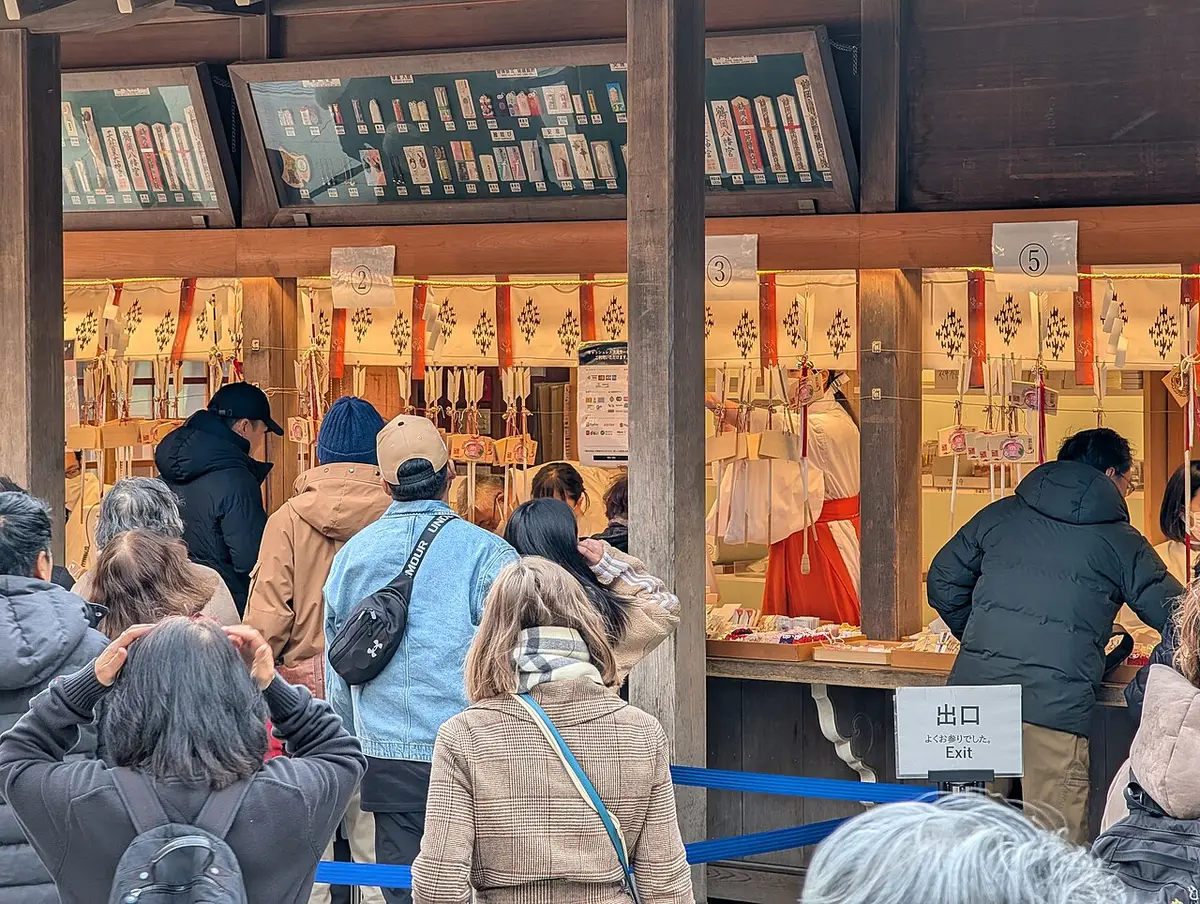

Comfortable day: ¥5,611 from Tokyo
A fuller day with the Zen temples, the Great Buddha, Hasedera, Enoshima and a reserved seat home:
- JR Tokyo to Kita-Kamakura (IC card): ¥902
- Engakuji: ¥500
- Kenchoji: ¥500
- Enoden Kamakura to Hase: ¥200
- Kotoku-in, plus inside the statue: ¥350
- Hasedera: ¥400
- Enoden Hase to Enoshima: ¥260
- Enoshima Sea Candle set (Escar, garden, Sea Candle): ¥1,100
- Romancecar Katase-Enoshima to Shinjuku (fare and seat, IC card): ¥1,399
- Total per adult, before food: ¥5,611
Of that, ¥2,761 is transport and ¥2,850 is admissions. The route: JR to Kita-Kamakura, Engakuji about 4 minutes from the station, then on foot to Kenchoji and over to Tsurugaoka Hachimangu (about 13 minutes from Kenchoji) and Kamakura Station, the Enoden to Hase for the Great Buddha and Hasedera, the Enoden along the coast to Enoshima, and the Romancecar straight back to Shinjuku. The itinerary page times it stop by stop.
Add-ons that fit this day:
- Green Car on the JR leg out: ¥750 or ¥1,000 with Suica, depending on distance.
- Hokokuji matcha, if you swap Hasedera for the bamboo temple: ¥400 admission and ¥600 for the tea. With the matcha added on top of the day above, the total is ¥6,211. A Zen temple garden tour with matcha books the Hokokuji tea and temple entry together.
- The Iwaya caves: take the ¥1,550 1day ticket instead of the ¥1,100 set.

Children and families
Child fares on the Enoden are half the adult fare: Kamakura to Hase is ¥100 for a child. The Freepass from Shinjuku is ¥430 for a child aged 6 to 11, against ¥1,640 for an adult, so a family of two adults and two children pays ¥4,140 for four passes. Temple fees for children are ¥100 to ¥300.
Two things to watch: contactless bank cards on the Enoden charge adult fares only, so give each child an IC card or a ticket; and buy child tickets at the machine rather than tapping a parent’s card twice, which the Enoden does not allow. The Kamakura with kids page has a family-paced route.
What changes the cost by season
Kamakura’s prices barely move through the year, but a few seasonal tickets are worth knowing about:
- June, hydrangea season. Hasedera charges a separate ¥500 ticket for its hydrangea path during the paid period, on top of the ¥400 admission, and in recent years has sold timed entry slots online. Meigetsu-in, the hydrangea temple of Kita-Kamakura, keeps its ¥500 fee but opened earlier, at 8:30, in June 2026. The hydrangea guide has the 2027 window and the ticket rules.
- Iris and autumn seasons. Meigetsu-in opens the garden behind its main hall for ¥500 extra.
- Late November to early December. Hasedera holds evening openings for the autumn leaves at its normal ¥400 fee; in 2026 they run from 21 November to 6 December. See the autumn leaves page.
- Winter evenings on Enoshima. On event nights the Samuel Cocking Garden charges ¥500 after 17:00, while it is free in the daytime.
- New Year. No price changes, but January is by far the busiest month at the shrines, so the trains and the Enoden are at their fullest. The winter page explains how to work around it.
Prices do not rise at weekends or in the busy months; what rises is the queue. If you have a choice of dates, the calendar shows the quieter ones.
A second day
Staying two days spreads the same costs over more time rather than adding much. If you sleep in Kamakura or Fujisawa, the train from Tokyo is paid once each way instead of twice, and day two needs only local transport: an Enoden day pass (¥800) for the coast, or your feet for the temples in the eastern valleys and the hiking trails, which are free. The second day is a good time for the paid extras you skipped on the first: the Iwaya caves, Hokokuji’s matcha, the Great Buddha’s interior. The two-day itinerary sets out the order.
Paying: cash, cards and IC
- IC cards (Suica, PASMO and others) cover JR, Odakyu, Tokyu, Keikyu, the Shonan Monorail and the Enoden.
- Contactless bank cards work at Enoden gates for adults, one card per person, but not at the JR transfer gate inside Kamakura Station.
- Cash is still needed at many temple gates. Kenchoji is cash only. Donation temples take coins.
- Escar tickets on Enoshima can be paid by cash, credit card, IC card or PayPay.
Before you budget
Start with your start station, add the Enoden or a pass, pick three or four temples, then add food. The calculator does this for you and shows which pass is cheapest for your day. For when to go, which changes crowds but not prices, see the best time to visit and the calendar. The travel guide brings it all together, and the planner turns it into a day.
Questions people ask
How much does a day trip to Kamakura cost?
From Tokyo Station, a simple day costs ¥2,768 per adult before food: ¥2,068 for the JR round trip, ¥400 for the Enoden to Hase and back, and ¥300 for the Great Buddha. A fuller day with five paid sights, Enoshima and the Romancecar home comes to ¥5,611. Food and shopping are on top.
How much are temple fees in Kamakura?
Most paid temples charge ¥200 to ¥500 for adults. The Great Buddha at Kotoku-in is ¥300, Hasedera ¥400, Hokokuji ¥400, and Engakuji, Kenchoji and Meigetsu-in ¥500 each. Tsurugaoka Hachimangu's grounds have no listed fee, and Zeniarai Benzaiten and Gokurakuji ask for a donation.
Do I need cash in Kamakura?
Carry some. Kenchoji accepts cash only, and many small temples take cash at the gate. Trains are easy without cash: IC cards work on JR and the Enoden, and the Enoden also takes contactless bank cards for adult fares. Donation temples such as Zeniarai Benzaiten take coins.
Is the Enoshima-Kamakura Freepass cheaper than single tickets?
From Shinjuku it is cheaper if you ride Odakyu out and back and take the Enoden at least twice. The pass costs ¥1,640; an Odakyu round trip alone is ¥1,298. From Tokyo Station by JR it usually does not help, because the pass does not cover JR.
How much should I budget for food in Kamakura?
It depends on where you eat, so this page leaves food as your own line. As a guide to total spending, the City of Kamakura estimates that a day visitor spent ¥7,463 on average in 2025, covering transport, admissions, food and shopping together.
Is Kamakura expensive to visit?
No. Many of its best sights, including Tsurugaoka Hachimangu, Komachi-dori and the beaches, have no admission fee, and the most expensive temple ticket is ¥500. The train from central Tokyo is the biggest single cost, and staying in Yokohama cuts that to ¥880 return.
Read next
 Enoshima-Kamakura FreepassWhen the pass pays off and when single tickets are cheaper.
 How to get to KamakuraFrom Tokyo, Shinjuku, Yokohama and the airports.
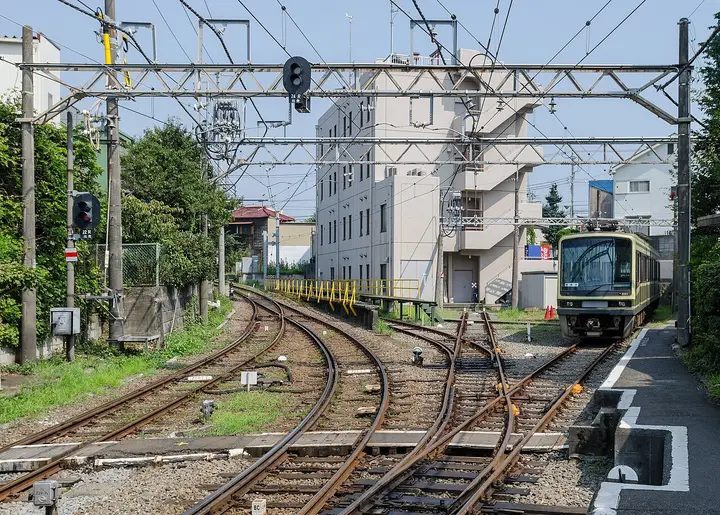 Day trip from TokyoWhich train, which pass and when to leave to beat the crowds.
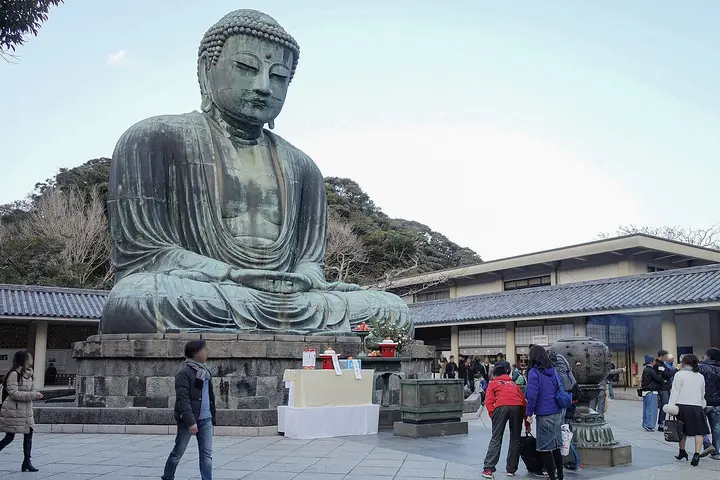 Kamakura itinerariesHalf day, full day and two days with Enoshima, timed leg by leg.
Sources (19)
- JR East Real-Time Route Search: Tokyo to Kamakura
- JR East Real-Time Route Search: Tokyo to Kita-Kamakura
- JR East Real-Time Route Search: Katase-Enoshima to Shinjuku (Romancecar)
- JR East: Green Car fares on ordinary trains (Japanese)
- Enoden: fares between stations
- Enoden: Noriorikun day pass
- Odakyu: Enoshima-Kamakura Freepass
- Kotoku-in (Great Buddha): admission and hours
- Hasedera: admission and hours
- Meigetsu-in: Kamakura City Tourism Association entry
- Hokokuji: admission, hours and matcha (Japanese)
- Engakuji: admission and hours (Japanese)
- Kenchoji: admission and hours (Japanese)
- Tsurugaoka Hachimangu: access and hours (Japanese)
- Tsurugaoka Hachimangu: treasure hall (Japanese)
- Jomyoji: visitor guide (Japanese)
- Enoshima Sea Candle, Escar and set tickets
- Fujisawa City Tourism: Enoshima Iwaya caves
- City of Kamakura: tourism figures 2025 (Japanese, PDF)