Start here
Kamakura travel guide
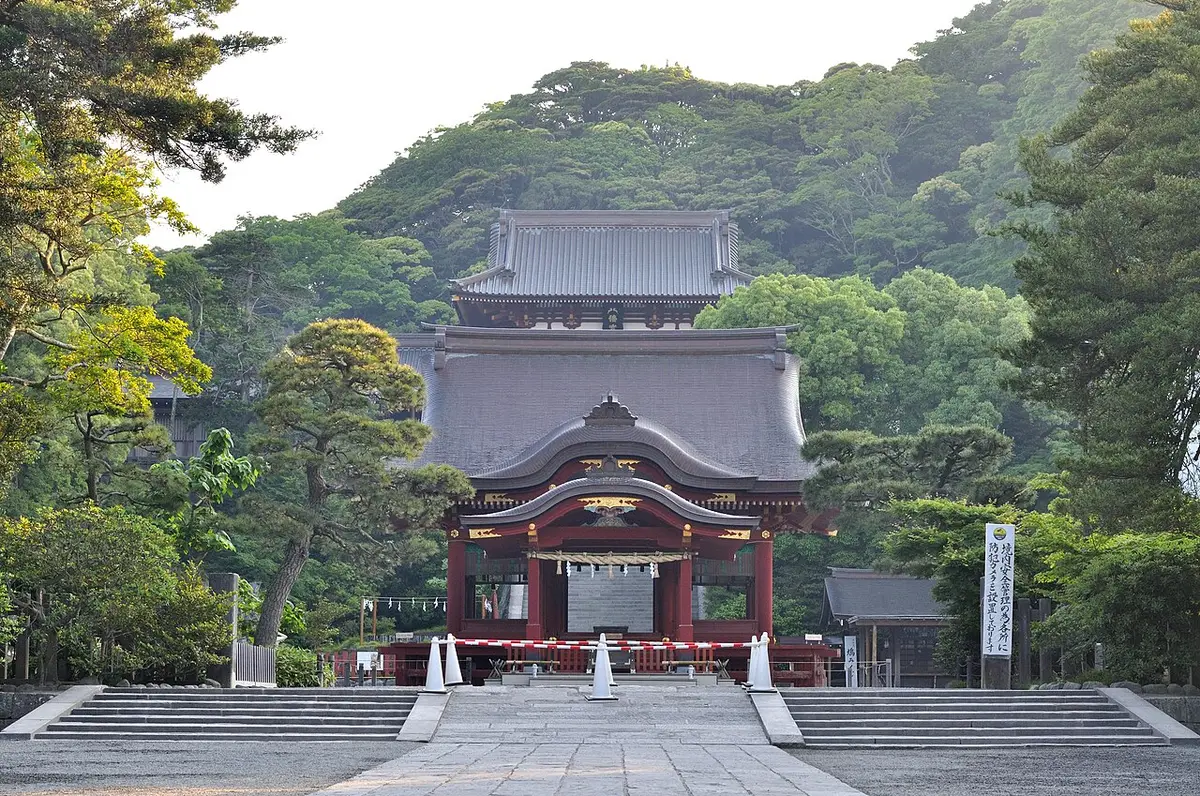
Table of contents
Kamakura is a small coastal city south of Tokyo, the seat of Japan’s first samurai government and today a town of temples, wooded hills and beaches. Most visitors come for the Great Buddha, Hasedera, Tsurugaoka Hachimangu and the little Enoden train along the coast to Enoshima. It is under an hour from Tokyo Station by direct train, and a simple day costs ¥2,768 per adult before food.
This guide puts the practical facts first: when to go, what a day costs, how to get there, how long to stay and where to sleep. After that comes a map of every page on the site, so you can go straight to the part of the trip you are planning.
What Kamakura is like
Kamakura sits between wooded hills and Sagami Bay, with the temples tucked into narrow valleys and the town center running down from the shrine to the sea. It feels like three places in one day: the Zen temples of Kita-Kamakura in the north, the shrine and shopping streets around Kamakura Station in the middle, and the coast at Hase and Yuigahama in the south, with Enoshima a short Enoden ride west.
The sights people come for:
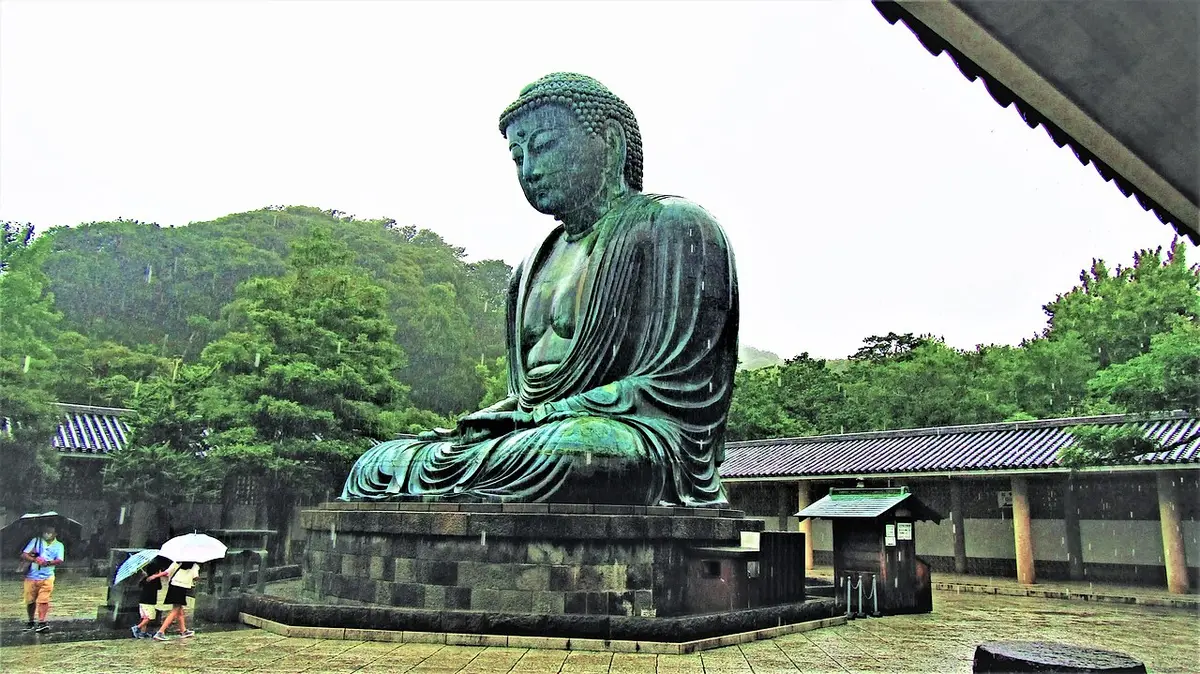
- The Great Buddha of Kotoku-in, a bronze statue about 11.3 meters tall and weighing around 121 tons, begun in 1252 and a National Treasure. You can step inside it.
- Hasedera, a hillside temple with a view over the bay and, in June, a hydrangea path of about 2,500 plants.
- Tsurugaoka Hachimangu, the main shrine, at the top of the Dankazura path and Wakamiya-oji avenue.
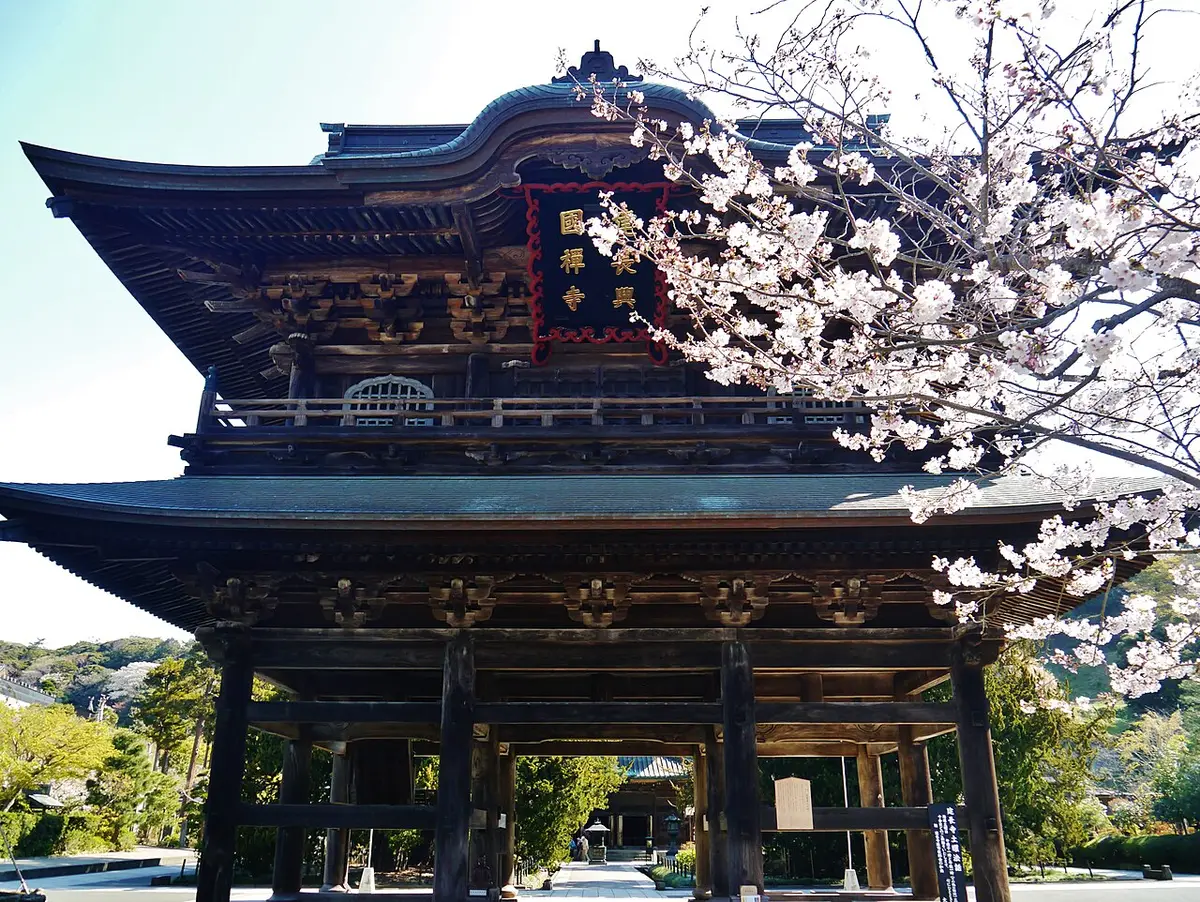
- The Zen temples of Engakuji and Kenchoji, and Meigetsu-in with its round window.
- Hokokuji, whose bamboo garden has a tea house serving matcha.
- The Enoden, a small train that runs through back gardens and along the shore to Enoshima.
Kamakura is popular: the city counted 16,061,205 visits to its sights in 2025, from an estimated 7,716,644 visitors. That is a lot of people for a small town, which is why this site keeps coming back to an early start.
Kamakura at a glance
- Getting there: JR Yokosuka Line from Tokyo Station, 56 minutes, ¥1,034 with an IC card, no change. From Shinjuku, 58 minutes for the same fare; from Yokohama, 24 minutes and ¥440.
- What a day costs: ¥2,768 per adult for a simple day from Tokyo (trains, the Enoden to Hase and back, the Great Buddha); ¥5,611 for a full day with five paid sights, Enoshima and the Romancecar home. Food is extra.
- Best seasons: cherry blossom around the end of March, hydrangeas in June, autumn leaves from late November into December. All three are also the busiest times.
- How long: one full day for the highlights, two days to include Kita-Kamakura, the eastern valleys and Enoshima without rushing.
- Where to sleep: near Kamakura Station for convenience, Hase and Yuigahama for the coast, Enoshima or Fujisawa for sunsets and the coast.
- Paying: an IC card such as Suica covers every train. Carry some cash for temple gates.

When to go
Three seasons set Kamakura’s calendar. We model the 2027 windows from up to 20 years of Japan Meteorological Agency observations. The dates below are for the JMA’s Yokohama observatory, not observations taken in Kamakura itself; they are a guide to when the season turns nearby. The calendar shows every year since 2007.
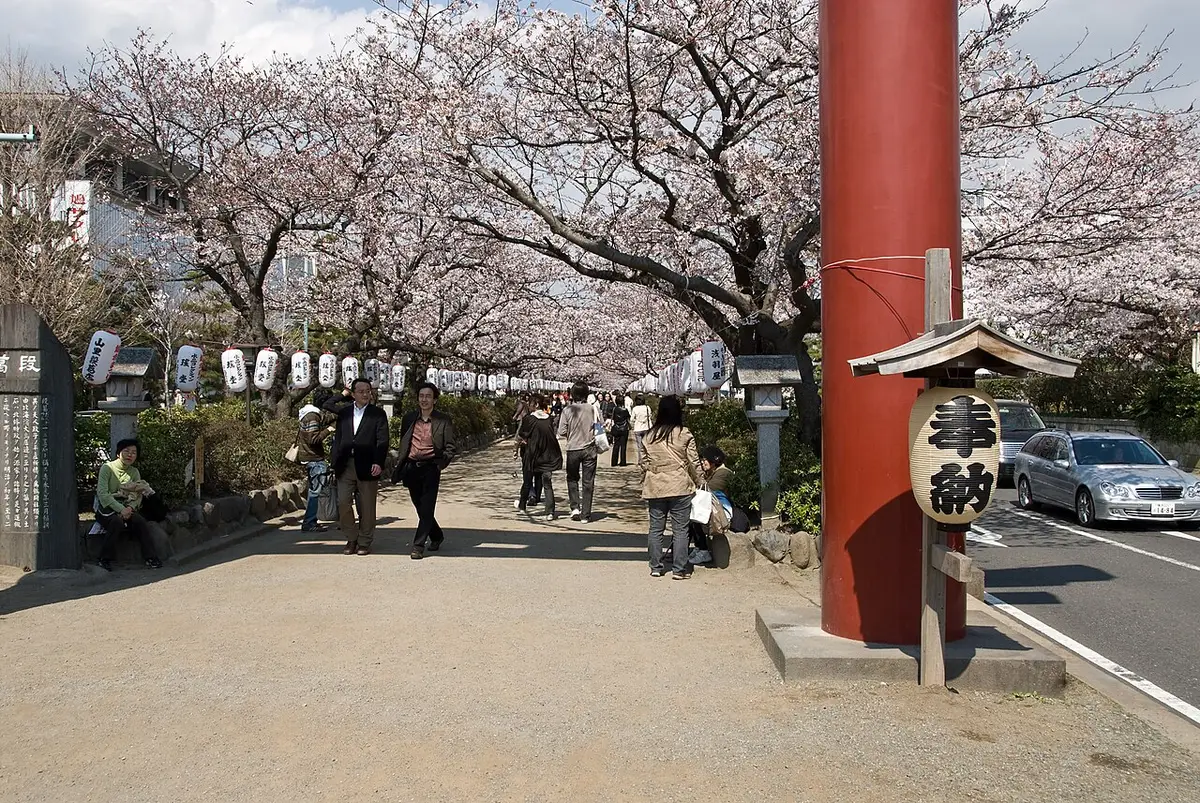
Cherry blossom. In Yokohama, the Somei-yoshino cherries usually reach full bloom around the end of March or the first days of April. The Dankazura path to Tsurugaoka Hachimangu is lined with cherries. See the cherry blossom page for the spots.

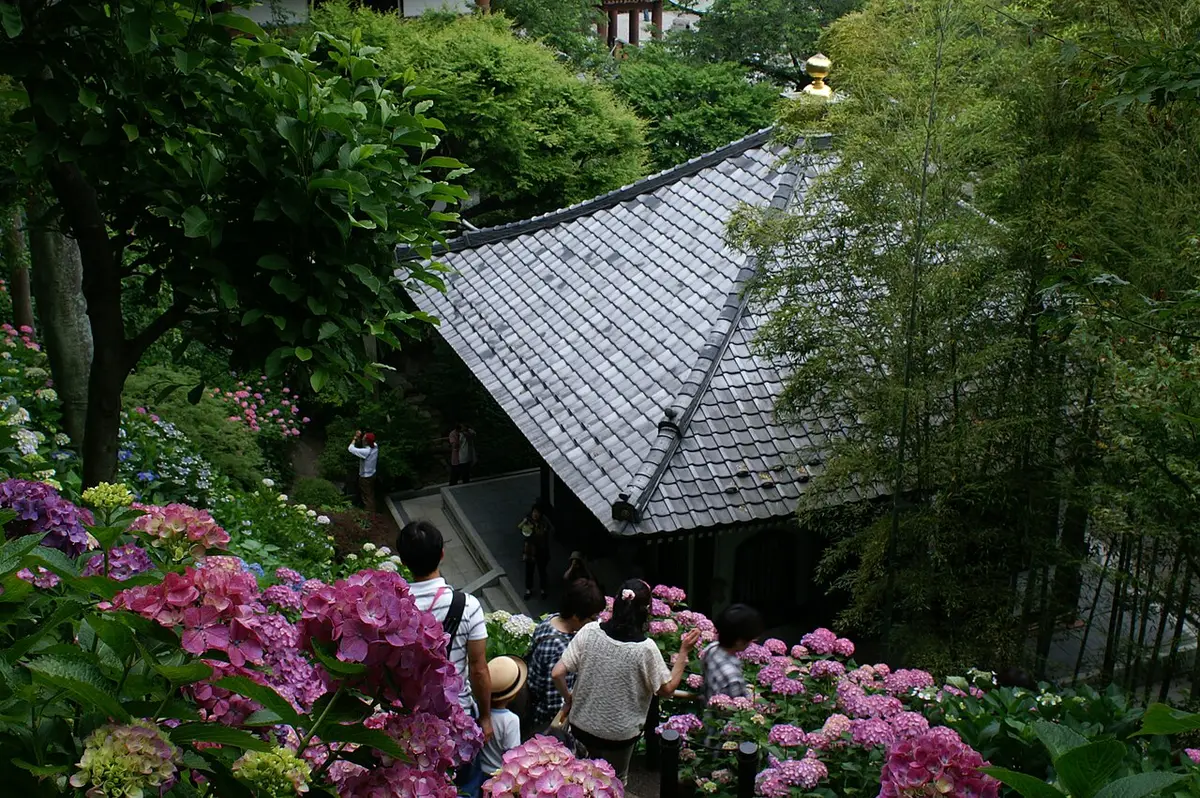
Hydrangeas. June is Kamakura’s busiest month after January. The JMA records only the first hydrangea bloom; the Kamakura City Tourism Association says the early types start in late May and the Western hydrangeas peak from early to late June. Meigetsu-in and Hasedera are the two famous gardens, and Hasedera sells timed tickets for its hydrangea path. The hydrangea guide has the order to visit.
Autumn leaves. Kamakura turns late. The Tourism Association puts the peak in late November to early December, starting around Kita-Kamakura Station in early November. The JMA’s Yokohama maple record, below, gives the date its observation trees turned red.

Crowds by month. The city’s 2025 visit counts show the pattern. January is far ahead of every other month because of New Year shrine visits (3,534,709 visits). After that come June (1,676,678) for the hydrangeas, then May, March and November. The quietest months were September (807,512) and December (819,461). Golden Week, the run of national holidays from late April to early May, and New Year are the times to avoid if you can; in 2027 the national holidays fall on 29 April and 3 to 5 May. The best time to visit page goes month by month, with weather.

What a day costs
The train from Tokyo is the largest line. Temple fees are modest: most paid temples charge ¥200 to ¥500 for adults, and the shrine, Komachi-dori and the beaches cost nothing.
- Simple day from Tokyo Station: ¥2,068 JR round trip, ¥400 Enoden to Hase and back, ¥300 Great Buddha. Total ¥2,768.
- Same day from Yokohama: ¥1,580.
- Full day: Tokyo to Kita-Kamakura by JR, Engakuji, Kenchoji, the Great Buddha and its interior, Hasedera, Enoshima with the Sea Candle set ticket, and the Romancecar to Shinjuku. Total ¥5,611.
Add food as your own line. For scale, the City of Kamakura estimates that a day visitor spent ¥7,463 on average in 2025 on everything together. The trip cost page lists every fare and fee and has a calculator. If you start in Shinjuku and plan to see Enoshima, check the Enoshima-Kamakura Freepass first; you can buy it at Odakyu stations, online from Odakyu in EMot, or book the Enoshima-Kamakura Freepass on Klook.
How to get there
Kamakura has two JR stations on the same line: Kita-Kamakura for the Zen temples in the northern valley, and Kamakura for the shrine, Komachi-dori and the Enoden. They are 3 minutes apart.
- Tokyo Station: JR Yokosuka Line, 56 minutes, ¥1,034.
- Shinjuku: JR Shonan-Shinjuku Line, train for Zushi, 58 minutes, ¥1,034. Check that the train is bound for Zushi.
- Shibuya: same line, 53 minutes, ¥1,034; or the Tokyu Toyoko Line to Yokohama and JR from there for ¥749.
- Shinagawa: JR Yokosuka Line, 46 minutes, ¥803.
- Yokohama: JR Yokosuka Line, 24 minutes, ¥440.
- Haneda Airport: Keikyu and JR with two changes, 54 minutes, ¥837.
- Narita Airport: about two hours; ¥2,316 by the cheapest route, ¥4,150 with the Narita Express.
- Enoshima: Enoden to Kamakura, 24 minutes, ¥260 (Enoden fares). Odakyu runs from Shinjuku to Katase-Enoshima in 71 minutes for ¥649.
The getting there guide covers each start point, Green Car prices and which station to choose. If you arrive without an IC card, a Suica IC card from Klook can be picked up at the airport.

Getting around
The center is compact. From Kamakura Station, Komachi-dori is about 7 minutes on foot and Tsurugaoka Hachimangu about 13. From Kita-Kamakura Station, Engakuji is about 4 minutes and Meigetsu-in about 11. The walk from Kita-Kamakura to Kamakura, past Kenchoji and the shrine, is one of the best ways to spend a morning. A half-day walking tour of the Zen temples and the Great Buddha starts at Engakuji and walks south with a guide.
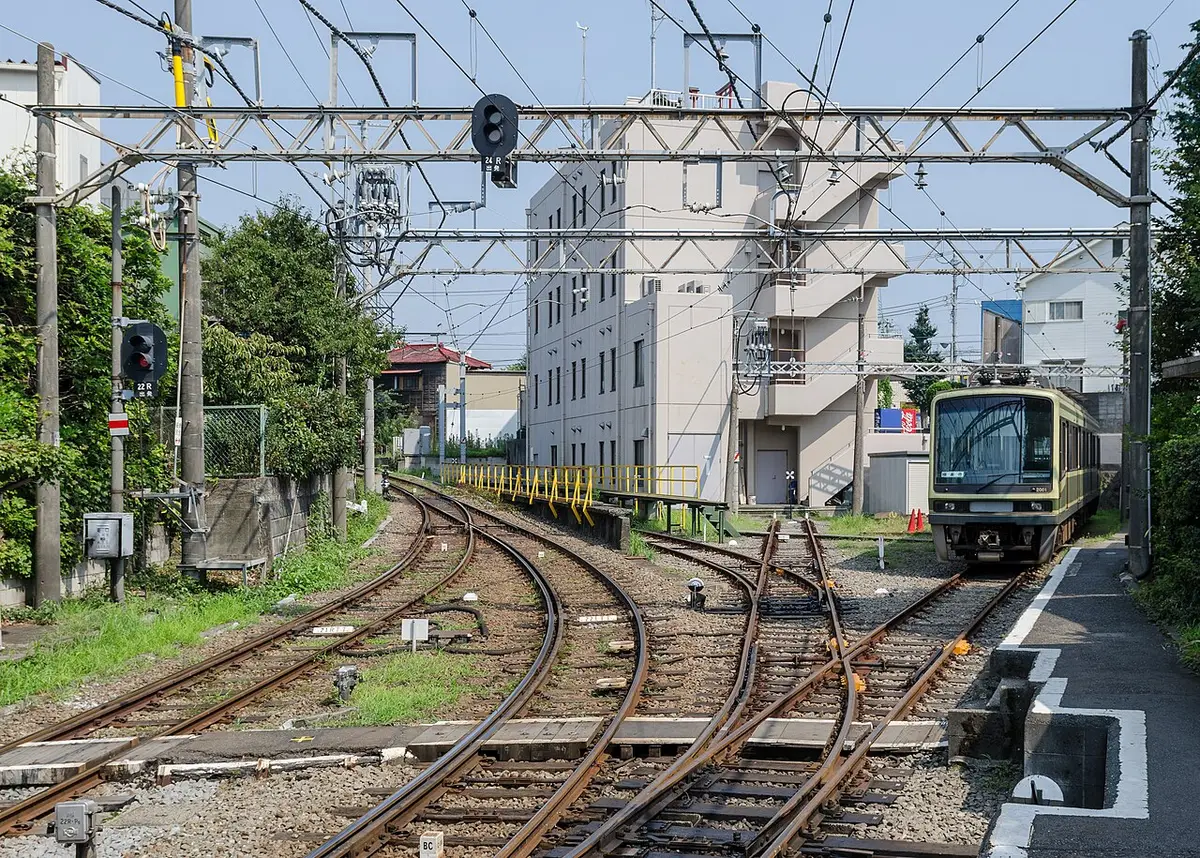
The Enoden connects Kamakura with Hase (4 minutes, ¥200), the coast and Enoshima (24 minutes, ¥260), and runs on to Fujisawa. From Hase Station, Hasedera is about 6 minutes on foot and the Great Buddha about 10. The Enoden takes IC cards and contactless bank cards (adult fares only, one card per person), and its Noriorikun day pass costs ¥800.
Buses from Kamakura Station’s east exit reach the temples in the eastern valleys, such as Hokokuji and Jomyoji. The map shows every place on the site with walking times.
How long to stay
Half a day is enough for one area: either Kita-Kamakura’s temples and the shrine, or Hase with the Great Buddha and Hasedera.
One full day covers the classic route: Tsurugaoka Hachimangu and Komachi-dori, the Enoden to Hase, the Great Buddha and Hasedera, and the beach at Yuigahama. Add Enoshima at the end if you leave Tokyo early.
Two days let you split the town properly. Day one for Kita-Kamakura, the shrine and the eastern valleys with Hokokuji’s bamboo garden; day two for Hase, the coast and Enoshima, or a hiking trail between temples. The itinerary page has timed versions of all three.
A night in Kamakura also solves the crowd problem. Hasedera opens at 8:00, and the day-trip crowds from Tokyo build later in the morning; being on your first temple at opening time is the single best way to see Kamakura quietly. From Tokyo, the early-bird morning tour starts early, keeps groups to eight and includes Hasedera.

Kamakura or Enoshima first?
If your day includes both, the order matters more than the route. Starting in Kamakura puts you at the temples while they are quiet and leaves Enoshima, which stays open later and faces west over the water, for the late afternoon and sunset. Starting on Enoshima suits a Shinjuku base and the Odakyu Line, and lets you finish on Komachi-dori and take the JR home from Kamakura. Either way the Enoden links them in 24 minutes. The day trip page compares both orders, and the Enoshima page covers the island.
Where to sleep
Kamakura’s lodging is small-scale; the city counted 510,695 overnight guests at the lodgings it surveyed in 2025, a small share of its visitors. The main bases:
- Around Kamakura Station: the most convenient, with JR and the Enoden on the doorstep and Komachi-dori next door. Hotel Metropolitan Kamakura is one example.
- Hase and Yuigahama: quieter, close to the Great Buddha, Hasedera and the beach.
- Kita-Kamakura: quiet, with the Zen temples on foot at opening time.
- Enoshima and Katase: island inns and seafront hotels, sunsets over the water. Iwamotoro is a ryokan on the island.
- Fujisawa and Ofuna: business hotels at the ends of the Enoden and the Monorail.
Where to stay in Kamakura and where to stay in Enoshima compare the areas and name the places to book.
Practical notes
- Opening hours are short. Most temples close between 16:00 and 17:30. Hokokuji and Meigetsu-in close at 16:00, Engakuji and Kenchoji at 16:30 (Engakuji at 16:00 from December to February), Kotoku-in at 17:00 from October to March and 17:30 from April to September. Plan the paid sights for the morning and early afternoon.
- Cash. Kenchoji is cash only, and many smaller temples are too.
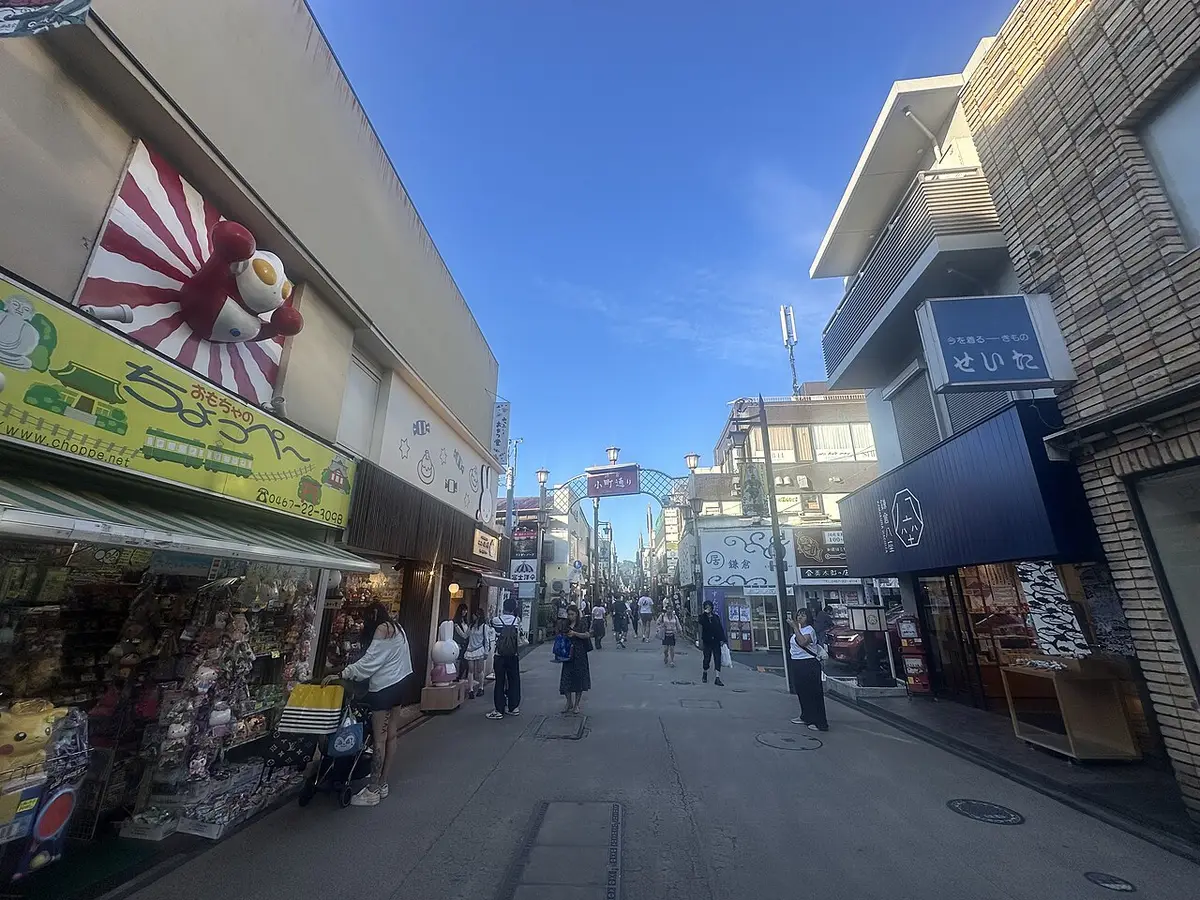
- Food rules. Eating and drinking are not allowed in Kotoku-in’s precinct; Komachi-dori is where the snacks are. The food page covers shirasu, the local whitebait, and where to eat.
- Live crowds. The city runs a live crowd map for Komachi-dori, the Hase area and other spots.
- Official information. The Tourism Association’s English site, VISIT KAMAKURA, publishes seasonal news and a quieter walking route.
If you prefer someone else to handle the trains and the order, a guided Kamakura and Enoshima day tour with train ride or a small-group Kamakura and Enoshima day tour from Tokyo covers the main sights in a day.

Every page on this site
Plan the trip
- Kamakura itineraries: half day, full day and two days with Enoshima, timed leg by leg.
- Day trip from Tokyo: which train, which pass and when to leave to beat the crowds.
- How to get to Kamakura: every start point from Tokyo, Yokohama and the airports with minutes and fares.
- Enoshima-Kamakura Freepass: when the pass pays off and when single tickets are cheaper.
- Kamakura trip cost: every fare and fee, a cheapest and a comfortable day, and a calculator.
- Best time to visit: month by month, with blooms, leaves, crowds and weather.
- Bloom and crowd calendar: modelled 2027 dates for cherry, hydrangea, ginkgo and maple.
- Day planner: build a day from your start station and the date.
- Kamakura map: every place on the site with walking times.
- Facts and open data: bloom dates, fares, fees and visitor numbers as data.
Temples, shrines and sights
- Things to do in Kamakura: temples, shrines, trails and streets with fees, hours and walking times.
- The Great Buddha: Kotoku-in’s fee, hours and how to time your visit.
- Hasedera: hours, the hydrangea path tickets and the cave.
- Meigetsu-in: the hydrangea temple, its round window and rear garden.
- Tsurugaoka Hachimangu: Kamakura’s main shrine, its festivals and the Dankazura path.
- Hokokuji bamboo temple: the bamboo grove, matcha and how to beat the crowd.
- Kita-Kamakura: the Zen temples from Engakuji to Kenchoji on foot.
- Kamakura hiking trails: the Daibutsu, Ten-en and Gionyama trails with length, time and status.
Enoshima and the coast
- Enoshima: the island route, the caves, the Sea Candle and the view to Fuji.
- Enoden train guide: stations, fares, day passes and the famous crossing.
- Kamakura beaches: Yuigahama, Zaimokuza, Shichirigahama and Enoshima.
Seasons
- Hydrangea season: the 2027 window, Hasedera tickets and the order to visit temples.
- Cherry blossoms: the 2027 bloom window and the best spots.
- Autumn leaves: when ginkgo and maple turn, and where to see them.
- Kamakura in winter: New Year, plum blossom and clear views of Fuji.
Food, tours and families
- Kamakura food: shirasu, Komachi-dori snacks and temple cuisine.
- Kamakura tours: guided days from Tokyo, walking tours and private guides compared.
- Kamakura with kids: a family-paced route, steps, strollers and child fares.
Where to stay
- Where to stay in Kamakura: station, Hase, Kita-Kamakura or the coast, and which base fits your plan.
- Where to stay in Enoshima: island inns, the Katase seafront and Fujisawa hotels.
About the site
- About kamakura.info: who writes the site, where the information comes from and how often pages change.
Questions people ask
How do I travel to Kamakura?
By train. The JR Yokosuka Line runs from Tokyo Station to Kamakura in about 56 minutes with no change, for ¥1,034 with an IC card. From Shinjuku and Shibuya, take a JR Shonan-Shinjuku Line train for Zushi. From Yokohama it is 24 minutes and ¥440.
What is Kamakura known for?
Kamakura is known for the Great Buddha of Kotoku-in, a bronze statue about 11.3 meters tall begun in 1252, for its Zen temples such as Engakuji and Kenchoji, for Tsurugaoka Hachimangu shrine, for hydrangea temples in June, and for the Enoden coastal train to Enoshima.
How many days do you need in Kamakura?
One full day covers the Great Buddha, Hasedera, Tsurugaoka Hachimangu and Komachi-dori. Two days let you add Kita-Kamakura's Zen temples, Hokokuji's bamboo garden, a hiking trail and Enoshima without rushing, and staying overnight lets you reach the popular temples at opening time.
When is the best time to visit Kamakura?
Late March to early April for cherry blossoms, June for hydrangeas, and late November to early December for autumn leaves are the classic seasons, and also the busiest. For fewer people, visit on a weekday in another month and start early in the day.
Is Kamakura worth a day trip from Tokyo?
Yes. It is under an hour from Tokyo by direct train, a simple day costs ¥2,768 per adult before food, and the main sights sit close to two stations on one line. A day trip covers the highlights; an overnight stay adds quiet early mornings.
How much does a day in Kamakura cost?
From Tokyo Station, ¥2,768 per adult covers the JR round trip, the Enoden to Hase and back and the Great Buddha. A fuller day with five paid sights, Enoshima and the Romancecar home costs ¥5,611. Food and shopping come on top.
Read next
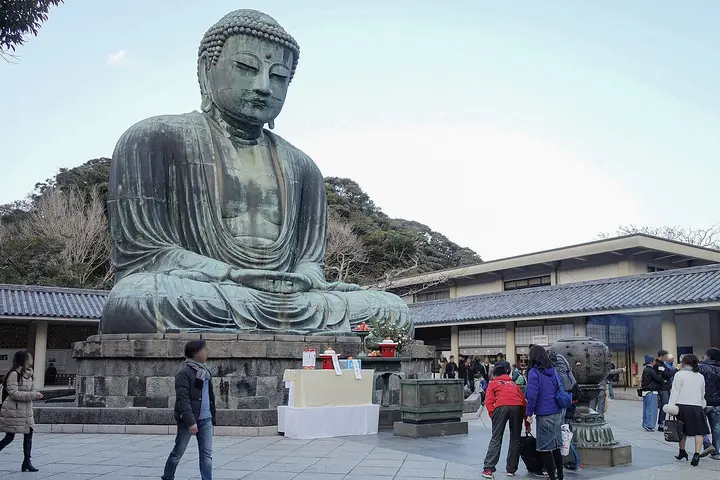 Kamakura itinerariesHalf day, full day and two days with Enoshima, timed leg by leg.
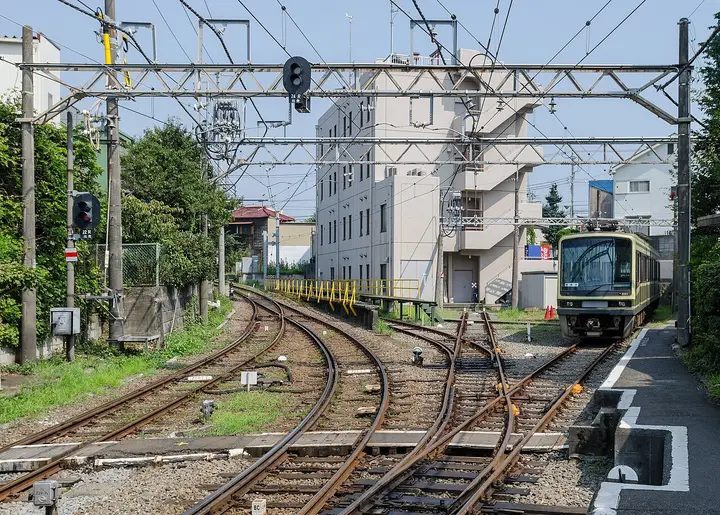 Day trip from TokyoWhich train, which pass and when to leave to beat the crowds.
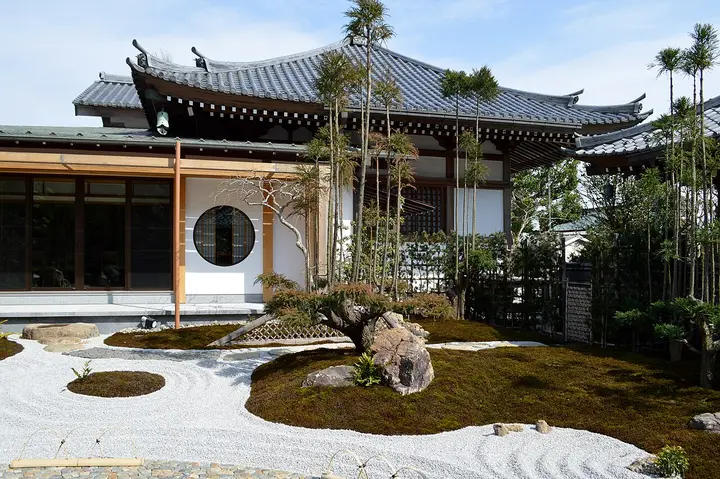 Things to do in KamakuraTemples, shrines, trails and streets with fees, hours and walking times.
 Where to stay in KamakuraStation, Hase, Kita-Kamakura or the coast: which base fits your plan.
Sources (14)
- JR East Real-Time Route Search: Tokyo to Kamakura
- Japan Meteorological Agency: plant phenology records (Yokohama)
- Cabinet Office: national holidays (Japanese, CSV)
- City of Kamakura: tourism figures 2025 (Japanese, PDF)
- Kamakura City Tourism Association: hydrangea viewing
- Kamakura City Tourism Association: autumn leaves
- VISIT KAMAKURA (official English guide)
- Kamakura tourism crowd map (official)
- Kotoku-in: the Great Buddha's measurements
- Kotoku-in: history
- Hasedera: admission and hours
- Enoden: fares between stations
- Enoden: tickets, IC cards and contactless payment (Japanese)
- Odakyu: Enoshima-Kamakura Freepass